
In today’s cycling community, investing in the right bike accessories can transform an ordinary ride into a seamless adventure. Whether you’re pedaling through urban streets or tackling rugged trails, equipping yourself with the most effective tools and gear ensures enhanced safety, comfort, and performance. As cyclists seek reliable and durable solutions, understanding the key items that merit space in your saddle bag or handlebar mount becomes crucial. This year (2026), riders are more informed than ever, exploring innovative products backed by research from institutions such as the Centers for Disease Control and Prevention and recommendations from the National Highway Traffic Safety Administration. In today’s digital landscape, where online reviews, social media groups, and peer-to-peer forums influence purchasing decisions, distinguishing between must-have bike accessories and mere gimmicks is paramount.
Throughout this comprehensive guide, we’ll break down the top ten essential bike accessories grouped into five strategic categories. You’ll learn why each item stands out, how it enhances your rides, and what specifications matter most when shopping. From protective gear and hydration solutions to on-the-go repair kits, security devices, and performance trackers, our recommendations cater to riders of all levels. By the end, you’ll be equipped with actionable insights to optimize your cycling setup and make informed choices that elevate every journey.
Protective Gear That Inspires Confidence
High-Performance Helmets
Arguably the most critical of all bike accessories, a premium helmet minimizes the risk of severe head injuries. Today’s designs feature multi-directional impact protection systems, lightweight composite shells, and advanced ventilation channels to keep riders cool during intense efforts. When selecting a helmet, look for certifications like CPSC (Consumer Product Safety Commission) or EN1078 to guarantee compliance with safety standards. Additionally, adjustable retention systems and removable, washable padding allow you to achieve a snug fit that stays comfortable on multi-hour rides.
Many riders benefit from MIPS (Multi-directional Impact Protection System) technology, which reduces rotational forces during crashes. Studies supported by universities such as Stanford confirm the added protection MIPS-equipped helmets can offer. Always replace your helmet after a significant impact, even if no visible damage appears—you never know how internal liner materials have been compromised.
LED Bike Lights for Visibility
In low-light situations or heavy traffic, LED bike lights are indispensable. A powerful front beam illuminates the path ahead, while a bright rear light alerts motorists to your presence. When shopping, prioritize lights with multiple modes—steady, flashing, and pulse settings—to adapt to various road conditions. Rechargeable units that support USB charging simplify power management and reduce reliance on disposable batteries.
Water resistance ratings (IPX4 or higher) ensure dependable performance during unexpected downpours. Mounts that allow tool-free installation and quick angle adjustments help you stay focused on the road rather than fiddling with hardware. According to recommendations from the NHTSA, combining front and rear lights is one of the simplest ways to boost on-road safety for cyclists of all skill levels.
Comfort and Hydration Essentials
Cycling Gloves for Grip and Protection
Quality cycling gloves are more than a fashion statement—they serve vital roles in grip, comfort, and protection. Padded palm inserts, often made from gel or EVA foam, absorb road vibrations and reduce hand fatigue during long outings. When the terrain gets rough, these pads prevent numbness and tingling by cushioning sensitive nerve endings. Breathable mesh fabrics on the back-of-hand panels wick moisture away, keeping palms cool and dry.
Look for gloves with reinforced fingertips and touchscreen-friendly thumb and forefinger patches, allowing you to use your smartphone or bike computer without removing your gloves. If you frequently ride in cooler climates, consider models with windproof and water-resistant shells that extend warmth without adding bulk.
Secure Water Bottle & Cage Setup
Hydration plays a pivotal role in sustaining energy levels, preventing cramps, and maintaining focus. A lightweight, BPA-free water bottle paired with a sturdy bottle cage lets you sip on the move without breaking your rhythm. Insulated bottles are particularly useful this year (2026) as they keep fluids cool during hotter rides. Ergonomic designs with narrow waists and easy-grip textures make it simple to swap bottles in and out of cages, even on rough roads.
Aluminum or carbon fiber cages offer the perfect blend of minimal weight and robust retention, ensuring that your bottle stays in place when you encounter potholes or debris. Install the cage within easy reach on the frame’s downtube for maximum accessibility. If you need additional hydration capacity for extended journeys, consider dual-cage setups or hydration packs with built-in bladders.

Essential Maintenance Tools for On-the-Go Repairs
Compact Multi-Tool Kits
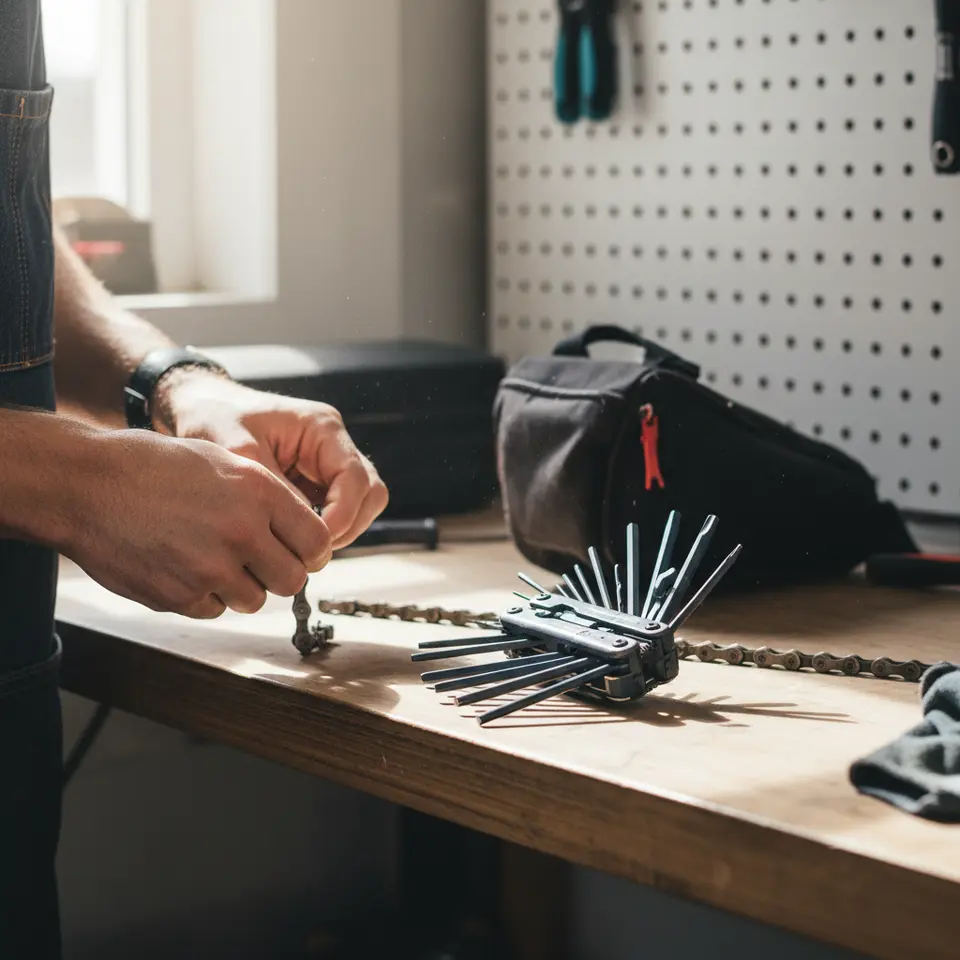
Flat tires and loose bolts can derail any ride if you’re unprepared. A high-quality multi-tool is a compact, lifesaving accessory that fits neatly in your saddlebag or jersey pocket. Comprehensive kits include hex wrenches (2mm–8mm), Torx keys, Phillips and flat-head screwdrivers, spoke wrenches, and sometimes even a chain breaker. The ability to address minor mechanical issues—such as tightening a handlebar stem or aligning brake calipers—means you can continue your journey without hunting for the nearest bike shop.
Pay attention to build quality: heat-treated steel components resist wear, and ergonomic grips make adjustments easier. Some multi-tools even feature quick-release bits that allow you to swap attachments on the fly.
Tire Repair Kits and CO2 Inflators
A reliable tire repair kit turns a potential disaster into a quick roadside fix. Standard kits include tire levers, patches (both cold and pre-glued), and a spare tube. For faster inflation, CO2 inflators with threaded cartridges deliver high-pressure bursts to your tire valve, getting you rolling again in seconds. If you prefer manual control, mini pumps with dual-valve heads (Presta and Schrader) deliver consistent pressure, though they require more physical effort.
Organize your kit in a slim saddle bag or a sturdy frame-mounted toolbox for immediate access. Regularly check patch integrity and cartridge expiration dates to make sure everything works when you need it most.
Portable Pumps for Lasting Pressure
While CO2 cartridges are fast, they’re single-use. A portable mini pump serves as a dependable backup, ensuring you can top off tire pressure miles from home. Many modern mini pumps boast flexible hoses to prevent valve stem damage and fold-out foot rests for improved leverage. Floor pumps remain the gold standard for home use, but a lightweight frame or saddle-mounted pump is essential for real-time tire adjustments when you’re off the beaten path.
Secure Transport Solutions
Robust Bike Locks
Bike theft ranks among the top frustrations for urban riders today. Investing in a heavy-duty U-lock or hardened steel chain lock offers the best deterrence. Look for locks with a Sold Secure Gold rating or equivalent independent certification. Double-locking mechanisms and anti-drill cylinders add layers of protection against cutting and tampering attempts.
When securing your bike, always lock the frame and at least one wheel to a fixed, immovable structure in a well-lit area. If you use a cable for added wheel security, ensure it’s made of braided steel strands rather than thin wire, which thieves can easily snip.
Saddle Bags and Panniers for Organized Storage
Whether you’re commuting or touring, carrying essentials is crucial. Saddle bags attach directly under the seat, offering discreet storage for small tools, spare tubes, keys, and energy gels. For longer expeditions or grocery runs, panniers mounted on rear racks provide more volume and balanced weight distribution.
Waterproof fabrics with sealed seams and roll-top closures keep your gear dry in unpredictable weather. Quick-release mounting systems allow you to detach panniers in seconds, making errands off the bike hassle-free. Many models also include reflective piping or integrated lights for added visibility when you stop by urban streets or trailheads.
Tracking and Performance Enhancers
Dedicated Bike Computers
For cyclists looking to measure progress and optimize training, a dedicated bike computer is a game-changer. These devices record metrics such as speed, distance, elevation gain, and power output. Advanced models offer turn-by-turn navigation, Bluetooth and ANT+ compatibility for heart rate monitors and power meters, and the ability to sync ride data to platforms like Strava or TrainingPeaks.
Battery life varies by unit, so consider whether you need a compact two-hour device for local rides or an extended-capacity computer for multi-day bikepacking. A sunlight-readable screen and intuitive button layout ensure clear data visibility and easy operation on the go.
Smartphone Mounts for Flexible Navigation
If you prefer leveraging smartphone apps for GPS mapping and ride analysis, a secure phone mount is essential. Look for mounts with vibration-dampening materials and locking mechanisms to prevent accidental drops on bumpy roads. Waterproof cases or mounts with integrated weather shields protect your device from rain and dust.
Beyond navigation, your phone can serve as a camera, music player, and emergency communication device—making it one of the most versatile bike accessories in your toolkit. Just remember to keep your device charged with a power bank or a dynamo hub setup for longer excursions.
Frequently Asked Questions
What accessories do I need for night riding?
For safe night riding, invest in high-visibility LED front and rear lights, reflective clothing or tape, and a helmet mirror to improve situational awareness. Ensuring sufficient battery life and multiple light modes can help you adapt to changing conditions after dark.
How often should I replace my bike helmet?
Manufacturers recommend replacing your helmet every 3–5 years due to material degradation over time. If you experience a crash or significant impact, replace your helmet immediately—even if there are no visible signs of damage.
Can I use a CO2 inflator for all types of tubes?
Most CO2 inflators are compatible with both Presta and Schrader valves, but check the product specifications before purchase. Keep a mini pump on hand as a manual backup in case CO2 cartridges run out or malfunction.
Conclusion
Equipping your bike with the right accessories is no longer a luxury but a necessity for safety, comfort, and performance in today’s cycling environment. From essential protective gear like helmets and LED lights to maintenance solutions such as multi-tools and tire repair kits, each item plays a pivotal role in ensuring rides go smoothly. Security devices safeguard your investment, while storage options and hydration systems keep you organized and energized. Finally, tracking tools like bike computers and smartphone mounts help you monitor progress and navigate confidently. By integrating these top ten bike accessories into your cycling setup this year (2026), you’ll be well-prepared for every commute, adventure, or training session. Gear up, stay informed, and enjoy the ride with confidence and peace of mind.