
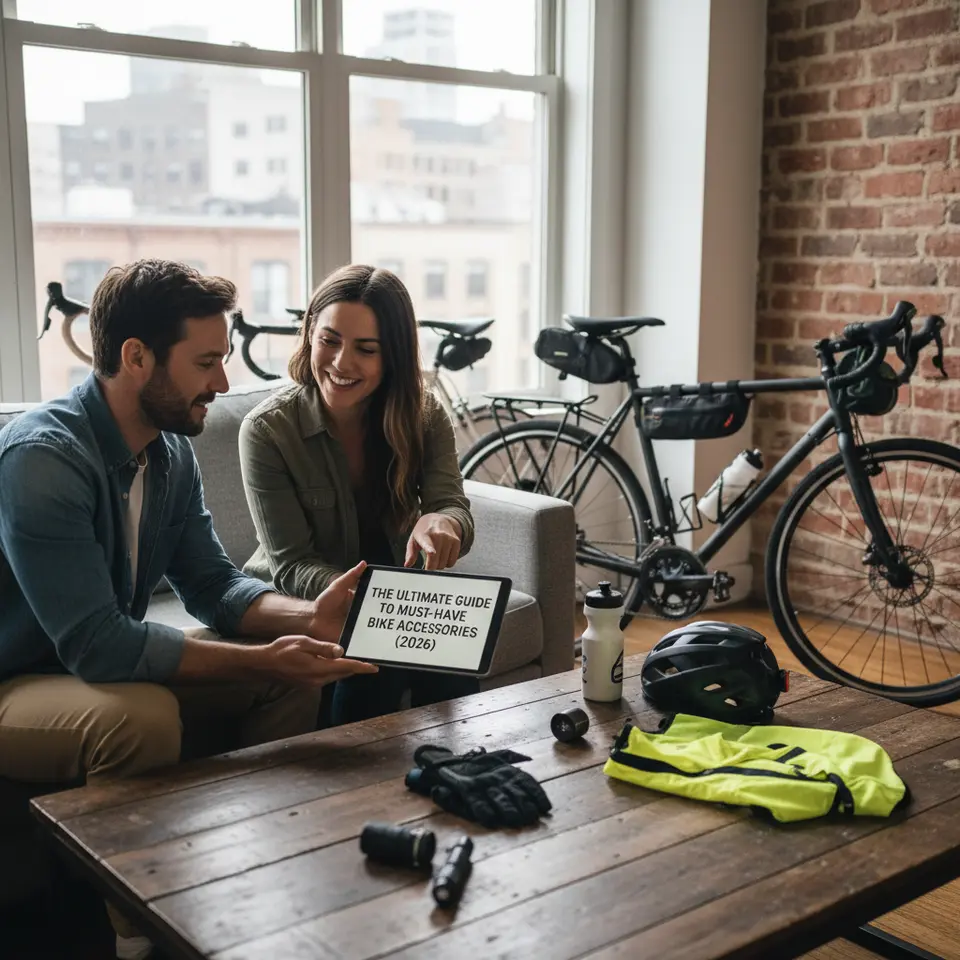
In today’s digital landscape, cycling extends far beyond leisure. Embracing biking as a core part of daily life combines health benefits, cost savings, and eco-friendly travel. Whether you’re weaving through city streets, tackling off-road trails, or embarking on extended tours, having the right bike accessories ensures each ride is secure, comfortable, and efficient. This guide will walk you through must-have gear that addresses safety, comfort, maintenance, technology, and budgeting strategies to assemble a comprehensive accessory arsenal.
Cyclists currently benefit from rapid advancements in materials and design, making gear lighter, stronger, and more functional than ever before. Investing in high-quality components can reduce accident risk, enhance comfort, and prolong the lifespan of your bicycle. With countless products available—from advanced helmets featuring rotational impact protection to smart cycling computers with turn-by-turn navigation—it can be daunting to determine which items suit your riding style and budget.
This year (2026), we’ll explore five key areas of bike accessories: essential safety equipment, comfort and convenience improvements, maintenance and repair tools, cutting-edge tech gadgets, and effective selection and budget tips. Along the way, we’ll reference guidance from authoritative sources such as the National Highway Traffic Safety Administration and the Centers for Disease Control and Prevention to ensure you make informed decisions. Let’s dive in and transform your cycling experience from ordinary to exceptional.
Essential Safety Gear
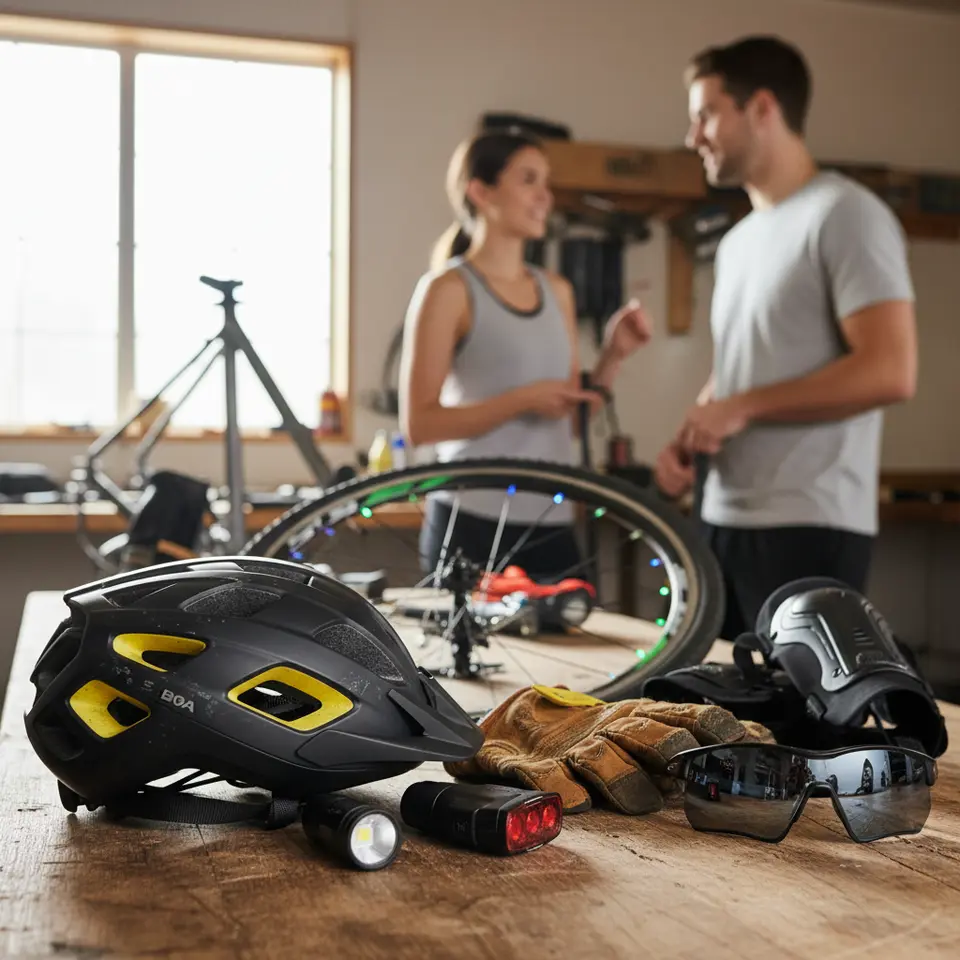
Safety remains the cornerstone of any cycling experience. Whether commuting through congested avenues or exploring remote trails, protective equipment reduces injury risk and enhances visibility. Helmets are non-negotiable; modern models employ in-mold polycarbonate shells and expanded polystyrene liners to absorb impact forces. Technologies such as MIPS or Koroyd further safeguard against rotational injuries. Opt for an adjustable fit system—dial or BOA—for snug comfort, and choose designs with ample ventilation to prevent overheating during strenuous rides.
Good lighting and reflective elements ensure others see you long before you see them. A powerful front beam of at least 300 lumens paired with a rear red taillight featuring multiple flash modes is ideal. Side visibility can be boosted with spoke lights or reflective tire strips. Rechargeable USB lights from reputable brands deliver reliable performance without frequent battery swaps. Helmet-mounted lights add directional illumination and help you spot hazards at night.
For more aggressive riding, protective gear expands beyond the helmet and lights. Padded cycling gloves shield palms from vibration and offer extra grip in wet conditions. Knee and elbow pads designed specifically for off-road adventures protect joints during slides or falls. Quality cycling eyewear blocks debris, insects, and UV rays, ensuring clear vision and reduced strain. By prioritizing these safety accessories, you’ll build confidence and minimize mishaps, making every ride more enjoyable and secure.
Comfort and Convenience Enhancements
Long rides demand more than just safety; comfort and convenience accessories transform fatigue into endurance and frustration into ease. A properly fitted saddle prevents numbness and back pain. Look for ergonomic cutouts that relieve pressure on sensitive areas, memory-foam padding for cushioning, or a suspension seatpost that absorbs road vibrations. Touring cyclists often favor wider leather or gel saddles for all-day support, while performance riders choose sleeker models designed for minimal friction and weight.
Handlebar grips and tape also play a vital role. Ergonomic grips with palm support can reduce hand cramps, while cushioned bar tape offers a soft barrier between road shock and your wrists. High-traction materials that wick sweat help maintain secure control, especially in wet or humid conditions.
Hydration and storage are equally important. A dual water bottle cage setup ensures you stay hydrated on long rides, while frame-mounted bags or top tube bags keep snacks, keys, and smartphones within easy reach. Saddle bags tuck under the rear of the seat for tools and spare tubes. Commuters might prefer panniers or handlebar baskets for carrying laptops, groceries, or work essentials, turning bikes into versatile utility vehicles.
Fenders and mudguards shield both rider and bike from water and mud splatters. Full-coverage designs reduce cleaning frequency and rust risk, extending component life. Quick-install clips or bolt-on systems allow easy removal when dry weather returns. By focusing on comfort and convenience accessories, you’ll transform your bicycle into a reliable companion for every journey.
Maintenance and Repair Tools
Even the most prepared cyclist can encounter mechanical issues. Carrying essential maintenance gear prevents a minor mishap from ruining your entire ride. A compact multi-tool featuring hex wrenches, Torx bits, screwdrivers, and chain tools is a must. Models such as the Crankbrothers M19 or Topeak Mini 20 Pro combine durability with a fold-out design that fits snugly in a seat bag or pocket.
Fixing a flat quickly keeps you moving. A mini pump offers reliable inflation but can be time-consuming under pressure. CO₂ inflators paired with threaded cartridges provide rapid tire inflation, making them ideal for time-sensitive situations. Some riders carry both to balance reliability and speed. Brands like Lezyne and Genuine Innovations offer lightweight, robust options that integrate well with modern valve standards.
Puncture repair kits remain a valuable backup. Self-adhesive patches, tire levers, and a small tube of vulcanizing glue can resolve unexpected flats when a spare tube isn’t available. For cyclists who prioritize speed, a pre-mounted spare tube and quick-release tire levers can be a faster solution during events or group rides.
Regular drivetrain maintenance enhances performance and extends component lifespan. Carry a small bottle of chain lubricant—dry lubes repel dust on paved roads, while wet lubes maintain protection in damp conditions. A mini bike-specific cleaner and a rag can remove grit before it causes wear. With the right maintenance and repair tools on board, you’ll stay on course and avoid lengthy walks or unplanned stops.
Cutting-Edge Tech and Gadgets
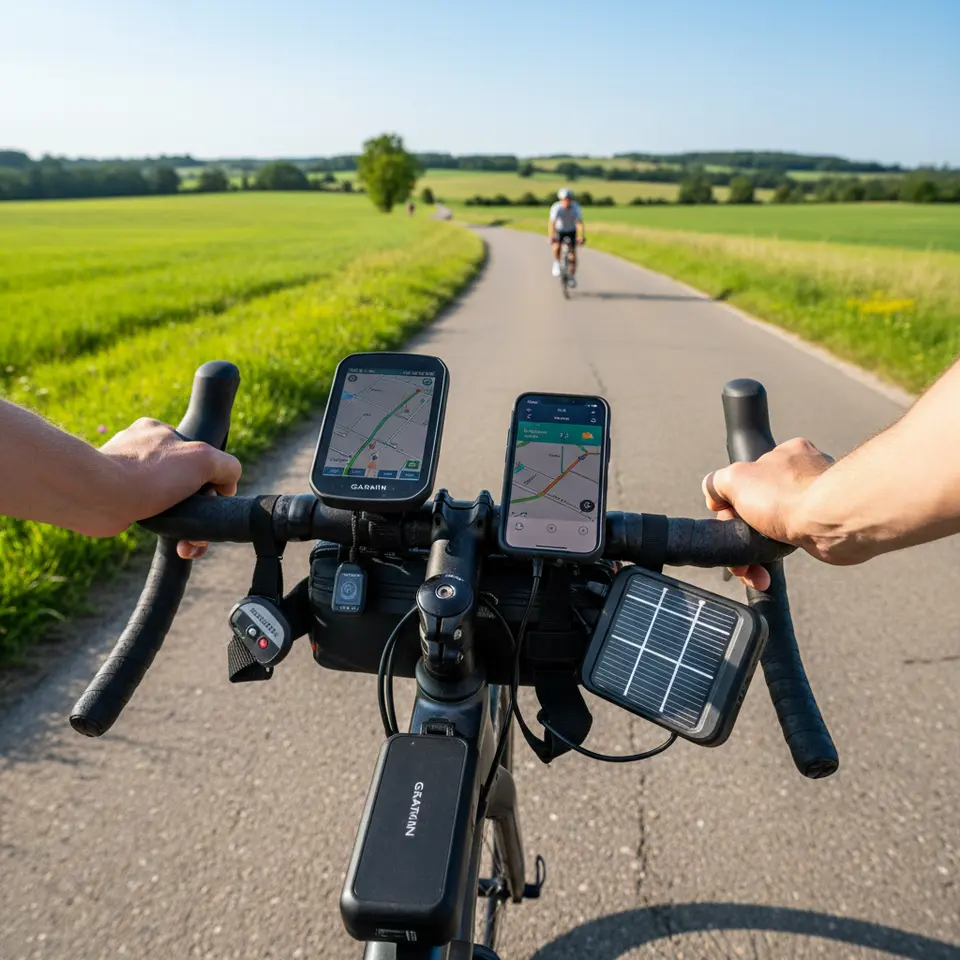
Advances in technology have revolutionized how cyclists navigate, train, and secure their bikes. Modern bike computers, such as the Garmin Edge or Wahoo ELEMNT series, offer real-time metrics on speed, distance, elevation, and heart rate. Integrated maps and turn-by-turn navigation make it easy to explore new routes without constantly checking a phone. ANT+ and Bluetooth connectivity ensures seamless pairing with sensors and mobile devices, while features like Strava Live Segments provide motivation and performance insights.
Smartphone mounts designed with vibration-damping materials keep your device secure on rough terrain. MagSafe-compatible designs or adjustable clamp mounts accommodate most phone sizes, allowing easy access to navigation apps and music. Waterproof or weather-resistant options protect electronics from rain and splashes.
Smart lights and radar systems represent a next-level safety upgrade. The Garmin Varia radar tail light detects approaching vehicles and alerts you via paired computers or smartphones. Automatic brightness adjustment adapts to ambient light, optimizing battery life. RFID-based smart locks and GPS trackers offer theft deterrence and recovery assistance, connecting to secure apps for on-the-spot alerts.
Power banks and solar chargers ensure your devices stay operational during multi-day adventures. Compact, high-capacity power banks combined with foldable solar panels can recharge lights, phones, and GPS units when outlets aren’t available. These tech and gadget accessories integrate seamlessly into modern cycling lifestyles, elevating every ride with data-driven insights and enhanced security.
Selection and Budgeting Tips
Choosing the right bike accessories requires balancing performance, durability, and cost. As a rule of thumb, allocate approximately 10–20% of your bicycle’s value on quality gear. Start by prioritizing safety equipment—helmets and lights should top your list. From there, assess your riding style. Commuters benefit from fenders, locks, and panniers, while mountain bikers need robust protective pads and tool kits. Touring cyclists will invest in racks, panniers, durable saddles, and high-capacity hydration systems.
Compatibility checks are essential. Confirm that components match your bike’s frame mounts, wheel size, and handlebar diameter. Reading user reviews on specialized cycling forums or retailer websites helps identify common pitfalls. Whenever possible, test gear in person—saddles, grips, and helmets can fit differently from person to person, and a quick in-store trial can prevent costly returns.
Incremental upgrades spread costs over time. Begin with basic models and upgrade to premium options once you determine specific needs. Many reputable brands offer entry, mid, and pro-tier product lines that share design philosophies but differ in materials and weight. Seasonal sales, local cycling events, and dedicated clearance shops can also yield quality gear at reduced prices.
Finally, consider resale value and warranty policies. Well-known manufacturers often provide extended warranties and support, while high-end accessories maintain better resale values if you decide to sell or trade. By applying these selection and budgeting strategies, you’ll build a customized bike accessories collection that delivers maximum value and performance.
Frequently Asked Questions
What are the essential safety bike accessories?
Prioritize a high-quality helmet, front and rear lights, reflective gear, padded gloves, durable knee and elbow pads, and clear cycling eyewear to protect against impacts and enhance visibility.
How can I improve comfort on long rides?
Invest in an ergonomic saddle with adequate padding or suspension, cushioned grips or bar tape, ample hydration and storage solutions, and full-coverage fenders or mudguards to reduce fatigue and maintain cleanliness.
What maintenance tools should I carry during rides?
A compact multi-tool, mini pump or CO₂ inflator, puncture repair kit, spare tube, tire levers, and chain lubricant will help you address most mechanical issues on the go.
How do I choose bike accessories on a budget?
Allocate around 10–20% of your bike’s value for accessories, prioritize safety gear first, opt for entry-level models initially, and look for sales or clearance events. Upgrade piece by piece based on actual riding needs and compatibility.
Conclusion
Equipping your bike with the right accessories transforms ordinary rides into safe, comfortable, and efficient journeys. By addressing essential safety needs, enhancing comfort, preparing for mechanical issues, embracing technology, and applying smart budgeting strategies, you’ll be ready for any cycling challenge. Drawing from authoritative insights this year (2026), you can make informed decisions that suit your riding style and financial goals. Whether you’re a daily commuter, weekend adventurer, or long-distance tourer, a thoughtfully curated set of bike accessories will elevate every mile.
Start by investing in critical safety gear and gradually build your accessory kit based on experience and feedback. With proper maintenance, upgrades, and product research, you’ll enjoy reliable performance and lasting satisfaction. Happy cycling!