
Are you looking to make your next ride safer, faster, and more enjoyable? The right gear changes everything. Finding the best innovative bike accessories completely transforms your cycling experience.
This guide reveals the ultimate gear upgrades for modern riders. You will discover smart technology, advanced safety equipment, and performance tools that elevate your daily commute or weekend adventure. Get ready to ride smarter and safer.
Why Innovative Bike Accessories Matter
Cycling technology moves quickly. Upgrading your gear is no longer just about shedding weight or looking good. Modern equipment actively prevents accidents, tracks your health metrics, and deters thieves. When you invest in innovative bike accessories, you invest in your own safety and comfort.
Riders who embrace new technology often find themselves riding more frequently. Smart gear removes the friction from daily rides. You spend less time worrying about getting lost, dealing with flat tires, or hiding from traffic. Instead, you focus entirely on the joy of pedaling. Whether you are building the ultimate gravel bike setup or just upgrading your daily commuter, these tools offer immense value.
Top 10 Innovative Bike Accessories Every Cyclist Needs
1. Smart Helmets with Crash Detection
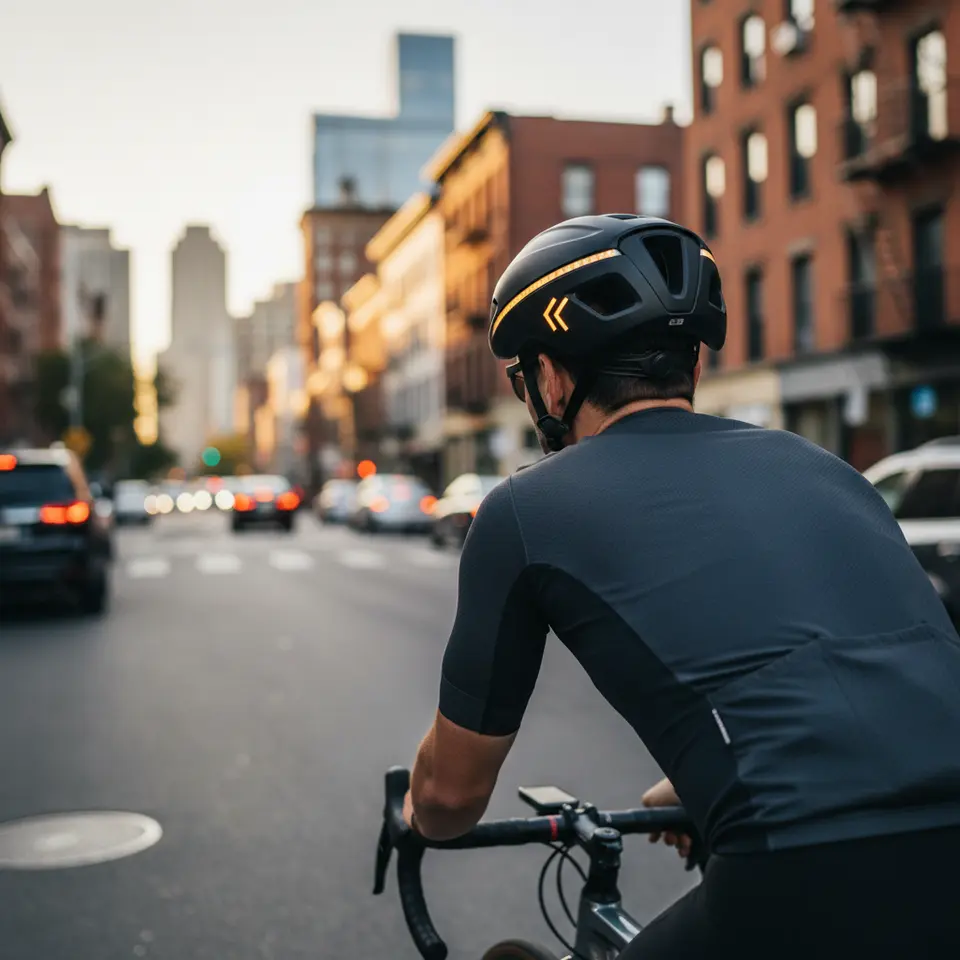
The traditional foam helmet is getting a massive upgrade. Smart helmets now feature built-in crash sensors, integrated LED lights, and even turn signals. If you take a hard fall, the helmet automatically connects to your smartphone and sends an SOS message to your emergency contacts with your exact GPS coordinates.
These helmets also feature bone-conduction audio. You can listen to navigation prompts or music while still hearing traffic around you. This is a game-changer for riders navigating busy city streets. The added visibility from the high-mounted LED lights ensures drivers see you from miles away.
2. Radar-Equipped Tail Lights
Riding on the road means sharing space with fast-moving cars. A radar-equipped tail light acts as a second pair of eyes on the back of your head. This device mounts to your seatpost and pairs with your GPS computer or smartphone.
When a car approaches from behind, the radar detects it from up to 140 meters away. It sends visual and audio alerts to your screen, showing the vehicle’s speed and distance. As the car gets closer, the tail light automatically flashes brighter and faster to grab the driver’s attention. According to safety experts, increasing your visibility is the most effective way to prevent rear-end collisions.
3. GPS Cycling Computers with Climb Planning
A GPS computer is essential for tracking your speed, distance, and heart rate. But the newest models do much more than record data. They feature advanced climb-planning technology.
When you approach a hill, the screen displays a detailed elevation profile. It shows exactly how steep the gradient gets and how much climbing you have left. This allows you to pace your effort perfectly. You will never blow up halfway up a climb again. These devices also sync seamlessly with your favorite routing apps, keeping your road bike training plan perfectly on track.
4. Wearable Airbag Vests
For urban commuters and high-speed road cyclists, a wearable airbag provides motorcycle-level protection. Worn like a lightweight vest over your jersey, this device uses complex algorithms to monitor your movements thousands of times per second.
If the system detects an unavoidable crash, the vest inflates in a fraction of a second. It protects your neck, spine, and chest before you even hit the ground. While it represents a significant investment, the protection it offers is unmatched by traditional cycling apparel.
5. Auto-Adjusting Smart Headlights
Night riding requires a powerful light. However, constantly adjusting your beam to avoid blinding oncoming traffic is annoying. Auto-adjusting smart headlights solve this problem using ambient light sensors and speed tracking.
When you ride fast, the beam focuses further down the road so you can see obstacles ahead of time. When you slow down, the beam widens to illuminate the immediate area. If the sensor detects an oncoming car, it automatically dips the beam. You get optimal visibility without lifting a finger from the handlebars. You can read more about lighting standards and safety on the National Highway Traffic Safety Administration (NHTSA) website.
6. Anti-Theft GPS Trackers
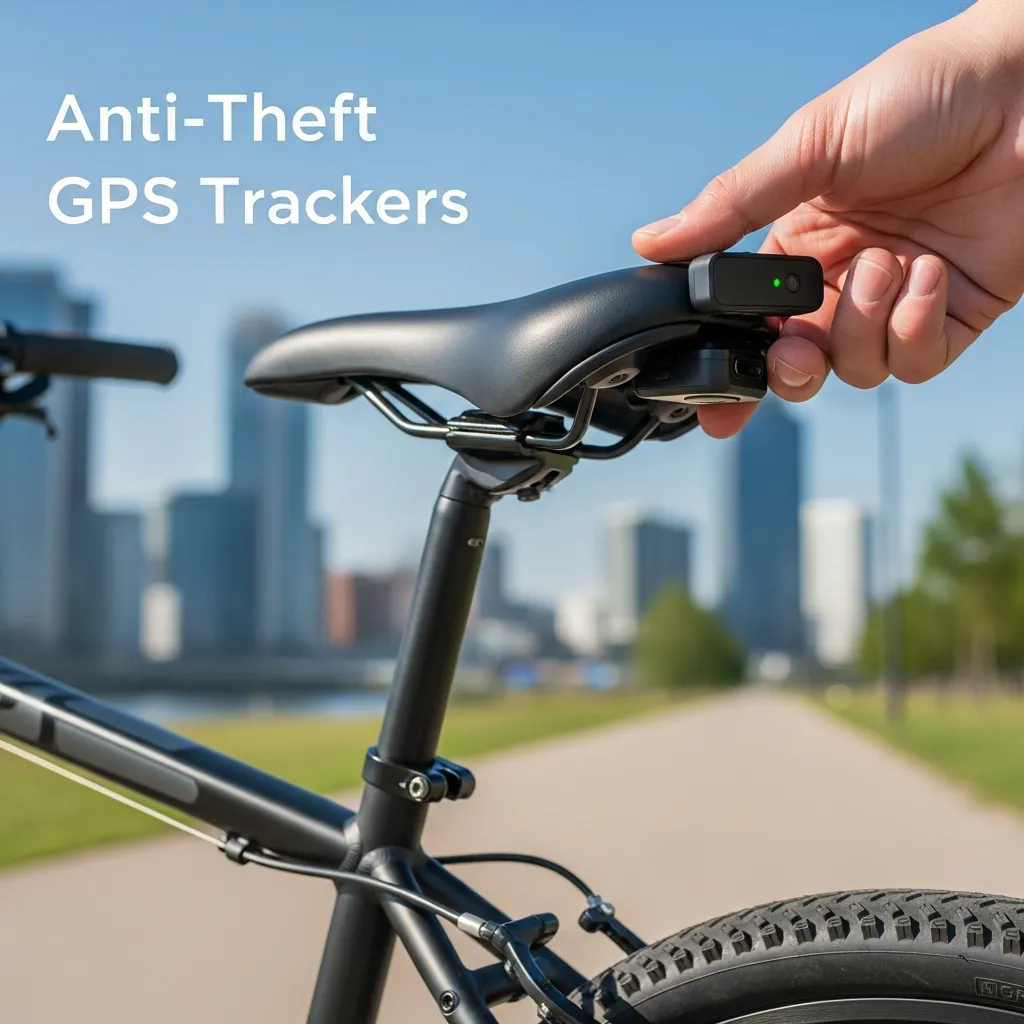
Bike theft is a massive problem in urban areas. Traditional locks only do so much. Hidden GPS trackers give you the ultimate peace of mind. These tiny devices hide inside your handlebars, seatpost, or water bottle cage.
If someone moves your bike while it is locked, the tracker sends an instant alert to your phone. You can then track your bike’s location in real-time. Many of these trackers run on cellular networks and have batteries that last for months on a single charge. Pairing a tracker with proper city bike commuting habits drastically reduces your risk of theft.
7. Electronic Tire Pressure Monitors
Tire pressure dramatically affects your bike’s handling, speed, and comfort. Guessing your pressure by squeezing the tire is not accurate enough for modern tubeless setups. Electronic tire pressure monitors screw directly onto your valve stems.
These tiny sensors send real-time pressure data to your cycling computer or phone. If you start losing air due to a slow puncture, the system alerts you immediately. This gives you time to stop safely before the tire completely flattens. It takes the guesswork out of your pre-ride safety checks.
8. Bone Conduction Cycling Glasses
If you dislike wearing helmets with built-in audio, bone conduction sunglasses are the perfect alternative. These sunglasses feature tiny transducers hidden in the arms. They send sound waves through your cheekbones directly to your inner ear.
Your ear canals remain completely open. You can hear approaching cars, other cyclists, and environmental sounds clearly while enjoying your favorite podcast. The lenses also feature advanced photochromic technology, adapting instantly to changing light conditions as you ride in and out of the shade.
9. Electronic Shifting Systems
Electronic shifting is no longer just for professional racers. Wireless electronic drivetrains deliver perfect, lightning-fast shifts every single time you press the button. There are no cables to stretch, rust, or snap.
Once you set the system up, it requires almost zero maintenance. The motors inside the derailleurs push the chain exactly where it needs to go, even under heavy pedaling loads. You can also customize the shifting buttons through a smartphone app, making your bike truly yours. This is a must-have for anyone serious about endurance cycling strategies.
10. Keyless Smart Locks
Fumbling with keys or forgetting combination codes is frustrating. Keyless smart locks use Bluetooth technology to secure your bike. As you approach the bike with your phone in your pocket, the lock recognizes you and opens automatically.
If your phone battery dies, you can still open the lock using a backup fingerprint scanner or a digital keypad. These locks are built with hardened steel to resist bolt cutters and angle grinders. Some models even feature a built-in alarm that blasts a 100-decibel siren if someone tries to tamper with it.
Accessory Comparison Table
Here is a quick breakdown of how these accessories impact your ride:
|
Accessory Type |
Primary Benefit |
Best For |
Price Range |
|---|---|---|---|
|
Smart Helmet |
Safety & Communication |
All Riders |
$150 – $300 |
|
Radar Tail Light |
Traffic Awareness |
Road/Commuters |
$150 – $200 |
|
GPS Computer |
Navigation & Pacing |
Road/Gravel |
$200 – $600 |
|
Wearable Airbag |
Extreme Impact Protection |
Commuters/Racers |
$400 – $800 |
|
Auto Headlight |
Vision & Convenience |
Night Riders |
$100 – $250 |
|
GPS Tracker |
Theft Recovery |
Urban Riders |
$50 – $150 |
|
Pressure Monitor |
Performance & Safety |
Gravel/Mountain |
$100 – $200 |
|
Bone Conduction |
Entertainment & Safety |
Solo Riders |
$150 – $250 |
|
Electronic Shifting |
Flawless Performance |
Road/Mountain |
$800 – $2500 |
|
Smart Lock |
Security & Convenience |
Commuters |
$150 – $250 |
Common Mistakes to Avoid When Buying Gear
Many riders waste money on the wrong equipment. Avoid these frequent pitfalls when shopping for innovative bike accessories:
- Buying cheap electronics. Cheap lights and trackers often fail when you need them most. Water gets into the casing, or the battery dies prematurely. Always buy from reputable brands with solid warranties.
- Ignoring compatibility. Before buying a new radar or pressure monitor, ensure it pairs with your existing GPS computer. Most modern gear uses ANT+ or Bluetooth, but you must double-check the specifications.
- Forgetting to charge. Smart gear only works if the battery has power. Create a routine where you plug in all your lights, shifting batteries, and computers the night before a big ride.
- Overcomplicating your cockpit. Too many gadgets on your handlebars make your bike look cluttered and distract you from the road. Look for out-front mounts that hold your computer on top and your light underneath to save space.
Pro Tips for Upgrading Your Ride
If you want to get the most out of your innovative bike accessories, follow these expert insights.
First, prioritize safety over metrics. If you only have the budget for one upgrade, buy a radar tail light or a smart helmet. Knowing what is behind you and protecting your head provides vastly more value than tracking your climbing speed. You can learn more about general road safety best practices from The League of American Bicyclists.
Second, update your firmware regularly. Companies frequently release software updates that improve battery life, add new features, and fix bugs. Connect your devices to their respective apps once a month to ensure they run smoothly.
Finally, integrate your new tech into your preventative bike maintenance routine. Wipe down your radar sensors, check your smart lock for debris, and inspect your electronic derailleur batteries when you clean your chain. Keeping your tech clean ensures it functions perfectly.
Conclusion
Upgrading your ride with innovative bike accessories fundamentally improves your time in the saddle. By embracing smart technology, you protect yourself from traffic, deter theft, and track your performance with pinpoint accuracy. Evaluate your current setup, identify your biggest pain points, and invest in the gear that keeps you pedaling safely. Grab your new equipment today and experience the difference on your next ride!
Frequently Asked Questions
What are the most essential innovative bike accessories for beginners?
Beginners should always prioritize safety and basic maintenance. A radar tail light, a smart helmet with crash detection, and a high-quality smart lock are the best starting points. These tools keep you safe and secure while you build confidence on the road.
Are radar tail lights actually worth the money?
Yes, absolutely. Radar tail lights are widely considered one of the best safety innovations in cycling history. They eliminate the need to constantly look over your shoulder, providing accurate warnings about approaching vehicles before you can even hear them.
Can a GPS tracker guarantee my stolen bike will be recovered?
No tracker can guarantee recovery, but it drastically improves your odds. If you act quickly and provide the real-time tracking data to local law enforcement, police have a much higher chance of locating your bike. Never try to confront a bike thief on your own.
Do electronic shifting systems work in the rain?
Yes. Modern electronic shifting components are completely fully sealed and waterproof. They are designed to withstand heavy rain, mud, and power washing. You can ride through massive puddles without worrying about damaging the motors or batteries.
How do bone conduction glasses work?
Bone conduction technology bypasses your eardrums. The glasses send vibrations through your cheekbones directly to your cochlea. This allows you to process audio from your phone while leaving your ear canals entirely open to hear ambient traffic noise.
Are smart helmets heavier than regular helmets?
Smart helmets are slightly heavier due to the integrated batteries and LED lights, but the difference is minimal. Most riders do not notice the extra 50 to 100 grams. The added safety benefits far outweigh the minor weight penalty.
How long do batteries last on cycling GPS computers?
Battery life varies heavily by brand and model. Basic units may last 15 hours, while premium models with solar charging capabilities can last over 40 hours. Using navigation and pairing multiple sensors will drain the battery faster.
Will a smart lock open if my phone dies?
Most high-quality smart locks feature backup entry methods. They usually include a physical keypad where you can enter a PIN, a fingerprint scanner, or a backup physical key. Always set up your backup method before using the lock.
How accurate are electronic tire pressure monitors?
They are incredibly accurate, usually within 0.1 PSI. This level of precision is fantastic for gravel and mountain bikers who need exact pressures for optimal grip. It is much more reliable than squeezing the tire or relying on a cheap floor pump gauge.
Can I connect multiple innovative bike accessories to one screen?
Yes. Most modern GPS cycling computers act as a central hub. Using ANT+ or Bluetooth, you can simultaneously connect your radar light, electronic shifters, heart rate monitor, and tire pressure sensors to a single display screen.