
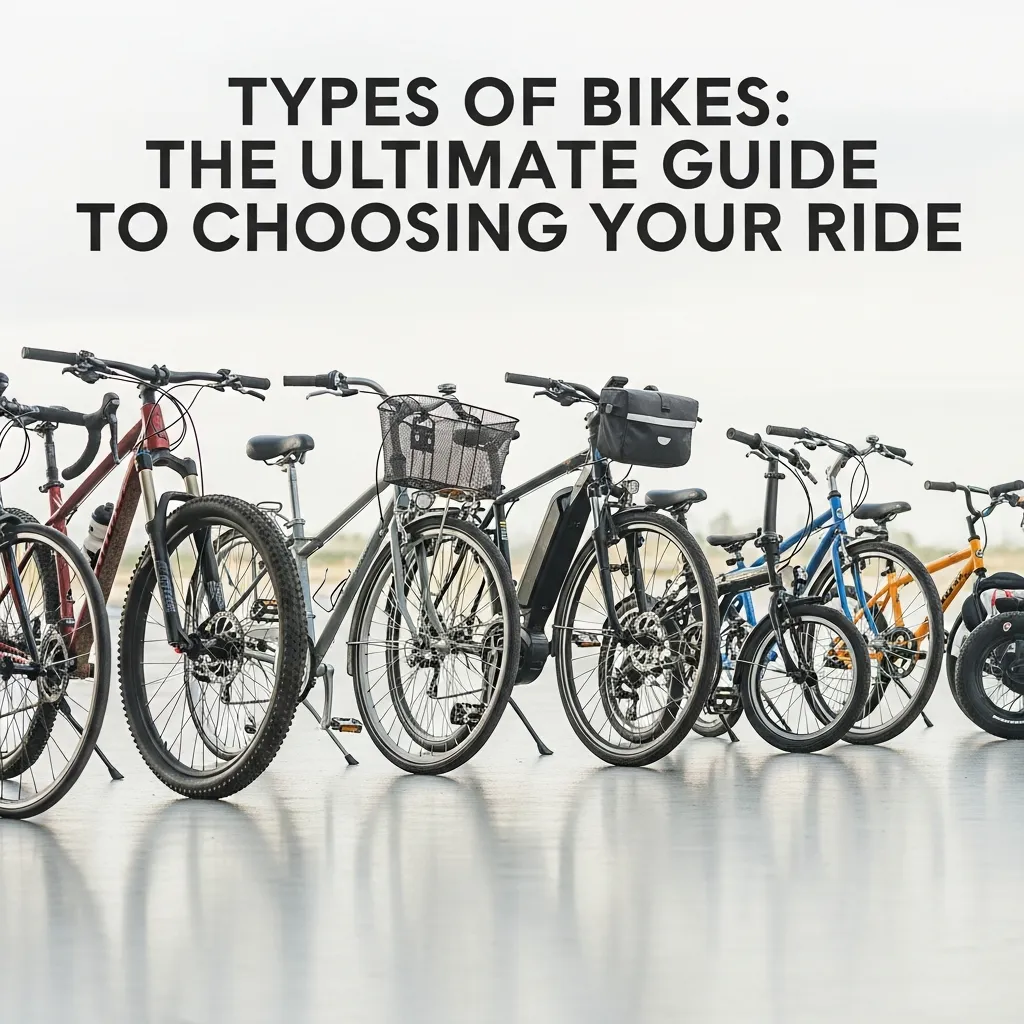
Understanding the various types of bikes helps you match your specific needs, local terrain, and fitness goals to the perfect two-wheeled companion. This comprehensive guide breaks down the different types of bikes, offering actionable insights, comparisons, and expert tips to ensure you make a confident and informed purchase.
Are you feeling overwhelmed by the sheer number of types of bikes on the market? You are not alone. Choosing the right bicycle transforms your entire riding experience.
Road Bicycles: Built for Pavement and Speed

When people think of traditional cycling, they often picture road models. These types of bikes are engineered specifically for smooth pavement, prioritizing aerodynamics and speed over rugged durability. They feature lightweight frames, skinny tires, and drop handlebars that encourage a forward-leaning, aerodynamic posture. If your goal is to travel long distances on paved roads quickly, these types of bikes are exactly what you need.
Endurance Models
Endurance models represent one of the most popular sub-categories among these types of bikes. They offer a slightly more upright riding position compared to pure racing frames. This relaxed geometry reduces strain on your lower back and neck, making them ideal for long weekend rides. They often feature slightly wider tires to absorb road vibration, providing a smoother ride across imperfect asphalt.
Aero Racing Frames
Aero models are types of bikes built with one primary objective: slicing through the wind. Every tube on the frame is sculpted to reduce aerodynamic drag. These types of bikes tend to be stiffer and less forgiving than endurance models, but they reward the rider with exceptional speed on flat roads. Professional racers and serious enthusiasts frequently choose these types of bikes for competition.
Touring Rigs
Touring models are highly specialized types of bikes designed for multi-day, long-distance travel. While they look similar to standard road models, they feature a longer wheelbase for stability and heavy-duty frames capable of supporting loaded pannier racks. They also come equipped with ultra-low gearing, allowing you to pedal up steep mountain passes even when carrying a heavy load of camping gear.
Mountain Bicycles: Conquering the Trails
If you want to leave the pavement behind and explore dirt trails, rocks, and roots, mountain models are the types of bikes you need. These types of bikes are built tough. They feature wide, knobby tires for aggressive traction, flat handlebars for responsive steering, and powerful braking systems.
Hardtail Models
Hardtail models are types of bikes that feature a front suspension fork but lack rear suspension. This design makes them lighter, more affordable, and easier to maintain than their fully suspended counterparts. These types of bikes are highly efficient for climbing and pedaling on smoother dirt trails. They are an excellent entry point for beginners learning off-road riding skills.
Full Suspension Models
Full suspension models are types of bikes equipped with both front and rear shock absorbers. This dual suspension system keeps the tires planted on the ground through extremely rough terrain, offering superior control and comfort. Within this category, you will find various sub-types of bikes, including cross-country, trail, enduro, and downhill models, each tailored to specific degrees of steepness and obstacle size.
Hybrid Bicycles: The Versatile Middle Ground
Many riders find themselves torn between smooth roads and light dirt paths. Hybrid models are the types of bikes designed to bridge this gap. They blend the fast-rolling efficiency of a road frame with the upright comfort and flat handlebars of a mountain model.
Commuter Models
Commuter models are practical types of bikes optimized for urban transportation. They typically come pre-equipped with accessories like fenders to keep you dry, cargo racks for your briefcase or groceries, and sometimes even integrated lighting systems. These types of bikes usually feature medium-width tires that roll smoothly on pavement but can easily handle potholes and gravel paths.
Fitness City Cruisers
Fitness models are types of bikes geared toward exercise rather than load-carrying utility. They are essentially road models with flat handlebars. These types of bikes provide a fast, agile ride for paved bike paths and city streets but keep the rider in a more comfortable, heads-up position. If you want to ride for cardiovascular health without committing to drop handlebars, these types of bikes are ideal.
Gravel and Cyclocross Bicycles: The Go-Anywhere Machines

In recent years, gravel models have become some of the most sought-after types of bikes in the cycling industry. They look like road models with drop handlebars, but they possess a rugged secret: massive tire clearance.
The Gravel Adventure Experience
Gravel models are types of bikes built to explore unpaved backroads, forest service roads, and moderate singletrack trails. They feature relaxed geometry for long-distance comfort and disc brakes for reliable stopping power in mud and rain. Because they can handle almost any surface, many cyclists consider gravel models to be the most versatile types of bikes available today. You can easily link them to cycling safety guidelines regarding riding in mixed traffic and rural areas.
Cyclocross Racing Rigs
While visually similar to gravel models, cyclocross models are highly specific types of bikes designed for short, intense winter races through mud, sand, and over artificial obstacles. They feature aggressive, quick-handling geometry and higher bottom brackets to clear obstacles. While you can use them for general riding, they are generally less comfortable for all-day adventures than dedicated gravel types of bikes.
Electric Bicycles (E-Bikes): The Modern Revolution
Electric models represent one of the fastest-growing types of bikes globally. These types of bikes feature a battery and a quiet electric motor that assists your pedaling effort. E-bikes flatten out daunting hills and allow you to ride much further without experiencing severe fatigue.
Urban E-Bikes
Urban e-bikes are types of bikes designed to replace your car for daily errands. They make commuting sweat-free, allowing you to arrive at work in your professional clothes without needing a shower. Many of these types of bikes feature integrated cargo solutions, making them perfect for carrying groceries or transporting children.
E-Mountain Bicycles
Electric mountain models are types of bikes that allow you to conquer massive climbs that would normally require a ski lift or a shuttle vehicle. By utilizing pedal-assist technology, riders can enjoy the thrilling downhill descents of mountain trails more frequently in a single session. These types of bikes are heavier but offer an incredibly empowering off-road experience.
Specialty Bicycles: Niche Designs for Specific Needs
Beyond the mainstream categories, there are several highly specialized types of bikes designed for specific tasks, constraints, or riding styles.
Folding Commuters
Folding models are types of bikes designed for ultimate convenience and portability. They feature hinges in the frame and steering column, allowing the entire bicycle to collapse into a compact package. These types of bikes are perfect for multi-modal commuting—you can easily carry them onto a train or store them under your desk at the office.
BMX and Trick Frames
BMX models are types of bikes characterized by their small 20-inch wheels and incredibly durable frames. They are not built for long-distance travel; instead, these types of bikes are designed for sprinting around dirt tracks, performing aerial stunts at the skatepark, or grinding on street rails.
Beach Cruisers
Cruisers are types of bikes designed purely for leisure and comfort. They feature wide “balloon” tires, heavily padded oversized saddles, and swept-back handlebars that force you into a completely upright, relaxed posture. These types of bikes are heavy and slow, making them perfect for flat boardwalks and neighborhood joyrides.
Comparison Table
To help you digest all this information, here is a quick comparison of the most common types of bikes:
|
Category |
Primary Terrain |
Handlebar Style |
Tire Width |
Best For |
|---|---|---|---|---|
|
Road |
Paved roads |
Drop |
Narrow |
Speed, fitness, long distances |
|
Mountain |
Dirt trails, rocks |
Flat |
Wide/Knobby |
Off-road exploration, technical trails |
|
Hybrid |
Paved roads, light gravel |
Flat |
Medium |
Commuting, casual fitness |
|
Gravel |
Mixed surfaces, dirt roads |
Drop |
Medium-Wide |
Adventure riding, versatility |
|
Cruiser |
Flat pavement, boardwalks |
Swept-back |
Very Wide |
Leisure, short neighborhood rides |
|
Folding |
City streets |
Flat |
Small (16″-20″) |
Multi-modal commuting, small spaces |
Common Mistakes to Avoid When Choosing
When navigating the many types of bikes available, buyers frequently fall into a few predictable traps. Avoiding these pitfalls ensures you end up with a ride you actually love.
First, buying the wrong size is a critical error. Even the most expensive types of bikes will feel miserable if the frame does not fit your body. Always consult a sizing chart or get a professional fit.
Second, many beginners buy types of bikes based purely on aesthetics rather than intended use. Purchasing a heavy mountain model because it looks rugged, only to ride it exclusively on paved city paths, will result in a sluggish and exhausting experience. Be honest about where you will actually ride.
Finally, neglecting the budget for accessories is a common oversight. When purchasing different types of bikes, remember that you will also need a high-quality helmet, a secure lock, lights, and maintenance tools. Factor these into your overall budget. Check bicycling safety gear recommendations to ensure you are fully prepared.
Expert Insights and Pro Tips
To get the most out of your purchase, industry experts recommend test-riding multiple types of bikes before making a final decision. How a bicycle looks on a screen is very different from how it feels under your body. Visit a local shop and take a road model, a hybrid, and a gravel model for a spin.
Additionally, consider the maintenance requirements of different types of bikes. A simple single-speed commuter requires far less upkeep than a full-suspension mountain model with hydraulic disc brakes. If you are not mechanically inclined, simpler types of bikes might offer a more headache-free ownership experience.
Lastly, pay attention to the saddle. Many new riders abandon their new types of bikes because their seat hurts. Saddles are highly personal, and the one that comes stock on the bike might not fit your anatomy. Upgrading your saddle is the most cost-effective way to improve your comfort across all types of bikes.
Choosing the right bicycle comes down to understanding your environment and your goals. By familiarizing yourself with the many types of bikes detailed above, you are well on your way to making a choice that will bring you years of joy, health, and adventure. Take your time, assess your local routes, and select the ride that speaks to your lifestyle.
FAQs
What are the best types of bikes for absolute beginners?
For most beginners, hybrid models are the best types of bikes. They offer a comfortable, upright riding position, stable handling, and enough versatility to handle both paved roads and light dirt paths while you figure out what kind of riding you enjoy most.
Can I ride road types of bikes on dirt trails?
Generally, no. Road types of bikes have very narrow tires and lack suspension, making them highly unstable and prone to flat tires on rugged dirt trails. If you want to ride both pavement and dirt, gravel models are much better types of bikes for that purpose.
Are electric types of bikes cheating?
Not at all. Electric types of bikes still require you to pedal, meaning you still get cardiovascular exercise. They simply allow you to ride further, tackle steeper hills, and commute without arriving drenched in sweat. They make cycling accessible to a wider range of people.
Why are there so many different types of bikes?
Cycling has evolved to tackle highly specific terrains and purposes. The many types of bikes exist because a bicycle optimized for racing on smooth asphalt is fundamentally different from a bicycle designed to survive dropping off boulders on a mountain trail.
How do I know what size I need across different types of bikes?
Bike sizing is generally based on your height and your inseam measurement. However, sizing geometry varies wildly between different types of bikes. A medium mountain frame might fit differently than a medium road frame. Always check the specific manufacturer’s sizing chart.
What are the fastest types of bikes?
Aero road models and time-trial models are the fastest types of bikes on smooth pavement. They are designed to minimize aerodynamic drag, allowing the rider to convert their pedaling power into forward momentum with incredible efficiency.
Do I need suspension on my bicycle?
It depends entirely on where you ride. If you ride exclusively on pavement, suspension adds unnecessary weight and absorbs your pedaling energy. If you ride on rocky, rooted dirt trails, suspension on mountain types of bikes is essential for control and comfort.
Are folding types of bikes as durable as regular bicycles?
High-quality folding types of bikes are engineered to be incredibly strong and can easily handle the rigors of daily commuting. While they might not be suited for aggressive off-road use, they are perfectly durable for their intended urban environments.
What are the best types of bikes for bad backs?
Cruiser models and recumbent models are generally the best types of bikes for riders with back pain. Cruisers keep you completely upright, while recumbents allow you to sit in a supportive, chair-like seat that relieves pressure on the lower spine.
Is it worth spending more on higher-end types of bikes?
Up to a certain point, yes. Spending more initially on different types of bikes usually gets you a lighter frame, more precise shifting components, and better braking power. However, for casual riders, mid-range types of bikes offer the best balance of performance and value without the premium price tag of professional racing equipment.