

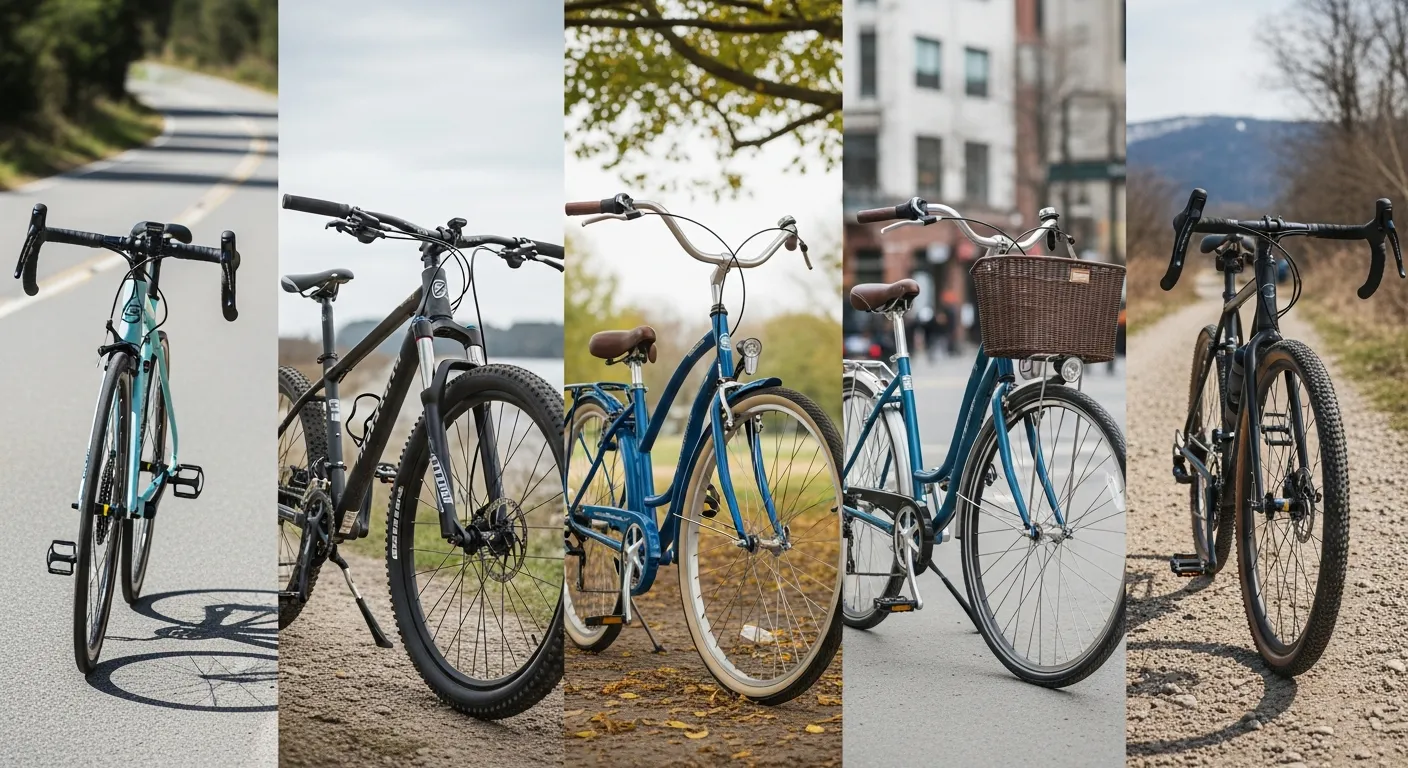
This comprehensive guide breaks down the many types of bicycles available today. You will learn about road, mountain, hybrid, and electric models. We cover essential features, provide a detailed comparison table, and share expert tips to help you confidently purchase your ideal bike.
Choosing the perfect ride can feel overwhelming. Exploring the various types of bicycles helps you find the exact match for your lifestyle, terrain, and fitness goals.
Understanding the Primary Types of Bicycles

When you step into a bike shop or browse online, the sheer volume of options can leave you scratching your head. Manufacturers design specific types of bicycles for specific purposes. Riding a heavy downhill bike on a paved commute will leave you exhausted, just as riding a delicate racing bike on a rocky trail will likely result in a broken frame. To make the best choice, you must understand how different geometries, tire widths, and gearing systems dictate a bike’s ideal environment.
By categorizing the types of bicycles by their intended use, you can quickly narrow down your options. Whether you want to improve your cardiovascular health, save money on your daily commute, or experience the thrill of descending a rugged mountain path, there is a specific machine built exactly for that purpose. Let us explore the most popular categories dominating the cycling world today.
Road Bikes: Built for Speed and Pavement
Road bikes are the sleek, lightweight machines you see zipping down paved highways and competing in races like the Tour de France. They feature narrow tires, lightweight frames made of carbon fiber or aluminum, and drop handlebars that curl downward. This aggressive geometry forces the rider into an aerodynamic position, reducing wind resistance and maximizing power transfer from the pedals to the wheels.
Within the road category, several sub-types exist to cater to different riding styles. Lightweight climbing bikes strip away every unnecessary ounce to help riders conquer steep ascents. Aero bikes feature flattened tube shapes to slice through the wind, making them ideal for flat, high-speed sprints. Endurance road bikes offer a slightly more relaxed geometry and wider tire clearance, absorbing road vibrations to keep you comfortable during century rides. If your goal is to travel fast on smooth pavement, a road bike remains your best option.
Mountain Bikes: Conquering the Great Outdoors
If you prefer dirt, rocks, and roots over smooth asphalt, mountain bikes are engineered for your needs. These rugged machines feature wide, knobby tires for maximum traction, powerful disc brakes for sudden stops, and flat handlebars that provide superior control over unstable terrain. The defining feature of most mountain bikes is their suspension system, which absorbs massive impacts.
You will encounter two main variations here. Hardtail mountain bikes feature suspension only in the front fork, making them lighter and more efficient for climbing hills. Full-suspension mountain bikes include both front and rear shock absorbers, providing unparalleled control and comfort on highly technical, rocky descents. Depending on your local trails, you might choose a cross-country model for speed, a trail bike for all-around versatility, or a downhill beast built exclusively for gravity-fueled adrenaline drops.
Hybrid Bikes: The Versatile Middle Ground
Many riders want the speed of a road bike combined with the comfortable, upright posture of a mountain bike. Hybrid bikes perfectly bridge this gap. They typically feature flat handlebars, medium-width tires, and a relaxed frame geometry. This makes them incredibly versatile, allowing you to seamlessly transition from paved city streets to crushed gravel park paths.
Hybrids are incredibly popular for casual fitness riders and daily commuters. They often come with mounts for cargo racks and fenders, making it easy to carry groceries or a laptop bag. While a hybrid will never win a road race or survive a black-diamond mountain descent, it serves as the ultimate “do-it-all” machine for the average recreational cyclist.
Gravel and Cyclocross Bikes: The All-Road Adventurers
At first glance, gravel bikes look almost identical to traditional road bikes because they feature drop handlebars and a similar frame shape. However, gravel bikes boast significantly wider frame clearances to accommodate thick, treaded tires. They also feature relaxed geometry for stability on loose surfaces. These bikes allow you to ride fast on the pavement and then turn onto a dirt country road without missing a beat.
Cyclocross bikes are similar but feature a slightly more aggressive geometry designed for short, intense off-road races involving mud, sand, and obstacles. While cyclocross bikes are purpose-built for winter racing, gravel bikes offer a more comfortable, long-distance ride for those looking to explore unpaved wilderness routes away from heavy vehicle traffic.
Electric Bikes (E-Bikes): Powering Your Ride
Electric bikes have revolutionized the cycling industry. E-bikes feature an integrated battery and an electric motor that assists your pedaling effort. They do not do all the work for you; rather, they amplify the power you put into the pedals. This allows you to climb steep hills with ease, commute to work without arriving sweaty, and keep up with faster riders regardless of your current fitness level.
You can find electric versions of almost all types of bicycles. Electric commuter bikes are replacing cars for urban professionals, electric mountain bikes allow riders to tackle twice as many downhill runs in a single day, and electric cargo bikes enable parents to haul multiple children and weekly groceries using pedal power. According to the League of American Bicyclists, e-bikes are rapidly expanding access to cycling for older adults and individuals recovering from injuries.
Folding Bikes: The Commuter’s Best Friend
Space is a premium for many urban dwellers. Folding bikes solve the storage dilemma by featuring hinges in the frame and a collapsible steering column. Within seconds, you can fold the entire bike into a compact package no larger than a suitcase. They typically utilize smaller wheels to maximize portability.
These bikes are perfect for multi-modal commuting. You can ride your folding bike to the train station, carry it onto the train, and then unfold it to cover the final miles to your office. They easily fit under desks, inside small apartment closets, and in the trunk of a compact car, making them incredibly practical for city living.
Touring Bikes: Built for the Long Haul
If your dream involves loading up your bike with camping gear and pedaling across the country, touring bikes are your ideal companion. These bikes are heavily reinforced to carry massive amounts of weight without compromising stability. They feature elongated wheelbases for predictable handling, countless mounting points for racks and water bottles, and ultra-low gearing to help you winch a heavy load up mountain passes.
Touring frames are traditionally crafted from steel, which provides a smooth, vibration-damping ride and can be easily repaired by a local welder if damaged in a remote location. While they are heavy and slow to accelerate, their durability and comfort over thousands of miles remain unmatched.
Cruiser Bikes: Leisure and Style
Cruiser bikes prioritize comfort, simplicity, and vintage aesthetics above all else. They feature wide, heavily padded seats, swept-back handlebars that allow you to sit completely upright, and thick balloon tires that glide over boardwalks and boardwalks. Most cruisers utilize a simple single-speed drivetrain and coaster brakes, meaning you simply pedal backward to stop.
These bikes are heavy and inefficient for climbing hills, but that is entirely beside the point. Cruisers are meant for flat, leisurely rides along the beach, quick trips to the local coffee shop, and enjoying the scenery at a relaxed, unhurried pace.
Specialty Bicycles: Tandems, Cargo, and Fat Bikes

Beyond the mainstream categories, the cycling world offers incredibly unique types of bicycles designed to solve highly specific problems.
Tandem bikes feature two seats and two sets of pedals, allowing two riders to power a single machine together. This builds teamwork and allows riders of different fitness levels to travel at the exact same pace.
Cargo bikes feature elongated frames with massive front buckets or extended rear racks. They serve as human-powered minivans, capable of transporting hundreds of pounds of cargo, tools, or multiple passengers.
Fat bikes take mountain biking to the extreme by utilizing massive tires that can exceed four inches in width. These low-pressure tires create a massive contact patch, allowing the bike to “float” over soft surfaces like deep snow, loose beach sand, and thick mud where normal bikes would instantly sink.
Comparison Table: Which Bike is Right for You?
To simplify your decision-making process, consult this breakdown of the most popular types of bicycles and their ideal use cases.
|
Bike Category |
Primary Terrain |
Handlebar Style |
Key Strength |
Best For |
|---|---|---|---|---|
|
Road Bike |
Smooth Pavement |
Drop |
Maximum Speed |
Fitness, Racing, Long paved distances |
|
Mountain Bike |
Trails, Rocks, Dirt |
Flat |
Durability & Traction |
Off-road adventures, Technical descents |
|
Hybrid Bike |
Pavement & Light Gravel |
Flat |
Versatility & Comfort |
Casual fitness, Commuting, Park paths |
|
Gravel Bike |
Dirt Roads & Pavement |
Drop |
All-surface speed |
Bikepacking, Unpaved exploration |
|
Electric Bike |
Varies by sub-type |
Varies |
Motor assistance |
Long commutes, Overcoming hills, Hauling |
|
Folding Bike |
City Streets |
Flat |
Portability |
Public transit commuters, Small apartments |
|
Cruiser Bike |
Flat Boardwalks |
Swept-back |
Supreme comfort |
Leisure riding, Beach trips |
Common Mistakes to Avoid When Choosing a Bike

Purchasing a new bicycle requires a significant financial investment. Unfortunately, many beginners make easily avoidable errors that result in discomfort, frustration, and buyer’s remorse. Avoid these common pitfalls when exploring the types of bicycles available to you.
- Buying the Wrong Size: A bike that looks incredible but does not fit your body will cause extreme discomfort, knee pain, and lower back aches. Never guess your size. Visit a local bike shop to be professionally measured. Frame sizes vary drastically between manufacturers.
- Choosing Based Solely on Appearance: A vintage cruiser looks beautiful in photographs, but if you live in a hilly neighborhood, the single gear and heavy frame will make you miserable. Always prioritize function and your local terrain over aesthetics.
- Ignoring the Secondary Costs: Your budget must account for essential accessories. A new bike requires a quality helmet, a secure lock, a floor pump, and basic tools for bike maintenance.
- Overestimating Your Need for Suspension: Many beginners assume full-suspension mountain bikes are simply “better” bikes. If you only plan to ride on paved paths and smooth dirt trails, heavy suspension will only slow you down and absorb your pedaling energy. A lighter hybrid or gravel bike is often a much smarter choice.
- Purchasing from a Department Store: While big-box stores offer temptingly low prices, these bikes are often assembled by untrained staff using incredibly heavy, low-quality components. Investing slightly more at a dedicated bike shop guarantees professional assembly, warranties, and a much safer ride. Organizations like Bicycling Magazine consistently warn against the false economy of department store bikes.
Pro Tips and Expert Insights for Cyclists
Once you have selected the perfect machine from the many types of bicycles, use these expert strategies to maximize your riding experience and keep your bike running smoothly for years.
Master Your Gears Early
Do not wait until you are halfway up a steep hill to try shifting gears. Practice shifting on flat ground. Anticipate the terrain ahead; shift into an easier, lower gear before the hill begins, not while you are grinding heavily on the pedals, which can damage the chain.
Invest in Quality Cycling Shorts
If you plan to ride for more than thirty minutes at a time, padded cycling shorts are a game-changer. They prevent chafing and provide crucial cushioning. You do not have to wear tight lycra; many companies make casual-looking baggy shorts with hidden padded liners inside.
Keep Your Drivetrain Clean
A clean bike is a fast bike. After riding through rain or dusty trails, wipe down your chain and apply a high-quality bicycle-specific lubricant. Never use WD-40 or motor oil on a bike chain, as these attract dirt and will rapidly wear down your expensive drivetrain components. Make basic bike maintenance a weekly habit.
Join a Local Riding Group
Cycling is inherently social. Searching for local bike trails and joining a cycling club helps you discover safe routes, learn group riding etiquette, and stay motivated. Experienced riders love sharing advice regarding cycling gear, nutrition, and safety with newcomers.
Understanding the different types of bicycles is the first step toward an amazing cycling journey. Whether you want to conquer rugged trails or commute efficiently, the right bike awaits. Use these insights to make an informed decision, grab your helmet, and start exploring the world on two wheels today.
FAQs
1. What is the best type of bicycle for a beginner?
For most beginners, a hybrid bike is the ideal starting point. It offers a comfortable, upright riding position, flat handlebars that are easy to control, and tires that can handle both paved streets and light dirt paths. This versatility lets beginners figure out what kind of riding they enjoy most before committing to a highly specialized bike.
2. Can I ride a mountain bike on paved roads?
Yes, you can ride a mountain bike on the pavement, but it will require more physical effort. The heavy frame, wide knobby tires, and suspension systems create significant rolling resistance. If you ride mostly on pavement but like the look of a mountain bike, consider swapping the knobby tires for smooth “slick” tires to improve your speed on the road.
3. Are electric bikes considered “cheating”?
Not at all. E-bikes still require the rider to pedal; the motor simply provides assistance. Studies show that e-bike owners actually ride more frequently and for longer distances than traditional bike owners. They provide an excellent cardiovascular workout while allowing riders to conquer hills and headwinds without extreme exhaustion.
4. How do I know what size bike frame I need?
Bike sizing is determined by your height and your inseam length. Each category of bike (road, mountain, hybrid) has different sizing geometry. The most accurate way to find your size is to visit a local bike shop and stand over various frames. You want an inch or two of clearance between the top tube of the frame and your body when standing flat-footed.
5. What is the difference between a gravel bike and a road bike?
While they look similar with their drop handlebars, gravel bikes have wider forks to fit thick, treaded tires for off-road traction. Gravel bikes also feature a longer wheelbase and slacker geometry, making them more stable on loose dirt and gravel. Road bikes have narrow tires and aggressive geometry built purely for speed on smooth asphalt.
6. Why are road bikes so much more expensive than other bikes?
Road bikes are engineered for extreme performance. To make a bike incredibly light yet stiff enough to handle powerful sprinting, manufacturers use expensive materials like aerospace-grade carbon fiber. Furthermore, the complex integrated gear-shifting and braking levers found on road bikes are costly to manufacture compared to simple flat-bar shifters.
7. Can I put a baby seat on any type of bike?
No, not all bikes can safely accommodate child seats. Lightweight carbon road bikes are not designed to bear clamped-on weight, and full-suspension mountain bikes lack the necessary mounting points. Hybrid bikes, city bikes, and specifically designed cargo bikes are the safest and most reliable options for attaching child carriers.
8. What is a “fixie” or fixed-gear bicycle?
A fixed-gear bicycle has a drivetrain with no freewheel mechanism. This means that if the rear wheel is turning, the pedals are turning. You cannot coast on a fixie; you must pedal continuously. They are popular among urban messengers for their mechanical simplicity, low maintenance, and lightweight design.
9. How often should I take my bicycle in for a professional tune-up?
If you ride casually a few times a week, a professional tune-up once a year is usually sufficient. However, if you commute daily in wet conditions or ride mountain bikes aggressively on muddy trails, you should have a mechanic inspect your brakes, gear cables, and bearing systems every three to six months to ensure optimal safety.
10. Do I really need to wear a helmet if I am just riding around my neighborhood?
Absolutely. The vast majority of cycling accidents happen close to home at relatively low speeds. Modern helmets are lightweight, highly ventilated, and scientifically proven to drastically reduce the risk of traumatic brain injuries. Wearing a helmet is the single most important safety decision you can make every time you ride.