
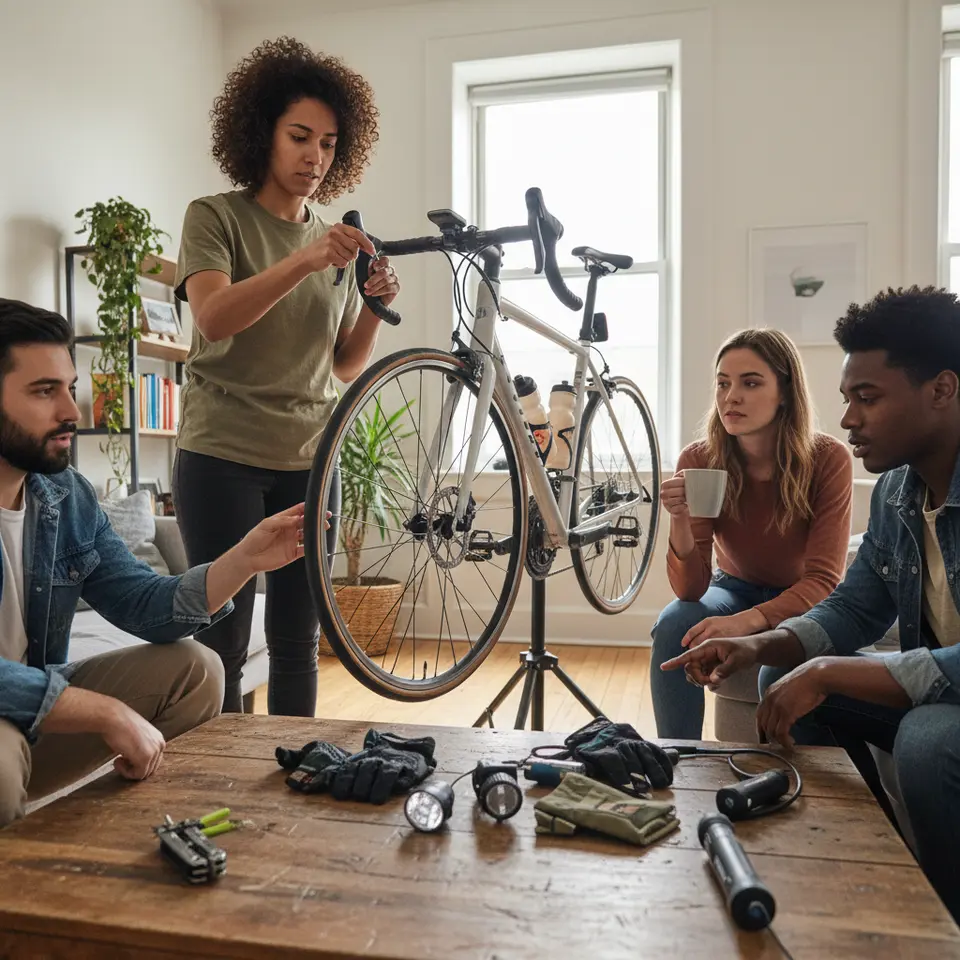
In today’s digital landscape, cyclists of all levels seek to enhance their riding experience by investing in the essential bike accessories that deliver safety, convenience, and performance boosts. Whether you’re embarking on a daily commute, exploring urban pathways, or tackling rugged trails, having the right gear transforms each journey from routine to exceptional. This year (2026), riders are more informed than ever, tapping into research-backed guidance from institutions such as CDC Bicycle Safety to choose products that meet or exceed industry benchmarks. From the protective headgear that shields against impacts to the hydration systems that sustain endurance, assembling your toolkit is a critical step in optimizing every ride. In the following sections, we will delve into the top categories of essential bike accessories, providing insights into features, materials, and best practices so you can make confident purchasing decisions and enjoy a smoother, safer cycling season.
Protecting Your Head: The Importance of a Quality Helmet
Meeting Safety Standards
Investing in a helmet that adheres to stringent safety protocols is at the core of any rider’s accessory list. Certified helmets undergo rigorous testing to validate their impact resistance and energy absorption capabilities. In the United States, the Consumer Product Safety Commission (CPSC) standard ensures that certified headgear reduces the risk of serious head injuries, while in Europe the EN 1078 certification enforces comparable safety thresholds. Selecting a helmet stamped with these certifications guarantees that you’re choosing a product that has demonstrated reliable protection under laboratory conditions. Furthermore, a well-rated helmet often incorporates dual-density foam and reinforced shell designs that work together to dissipate crash forces, providing an essential first line of defense on city streets or forest trails.
Comfort and Fit Features
Beyond safety credentials, fit and comfort dictate how consistently you’ll wear your helmet. Modern designs feature adjustable retention systems—commonly dial-fit or BOA mechanisms—that allow micro-adjustments for a snug feel without pressure points. Ample ventilation channels channel cooling airflow across the forehead and crown, which helps manage heat buildup during long ascents or sunny rides. Soft, moisture-wicking padding absorbs sweat and can be removed for easy washing, maintaining freshness over many seasons. Ergonomic straps with quick-release buckles minimize throat friction while still offering a secure closure. By focusing on these fit-enhancing features, riders ensure they’ll keep their helmet comfortably in place, eliminating distractions and maximizing protection whether navigating crowded urban intersections or winding country lanes.
Enhancing Visibility: Lights, Reflectors, and High-Visibility Gear
Choosing the Right Lighting Setup
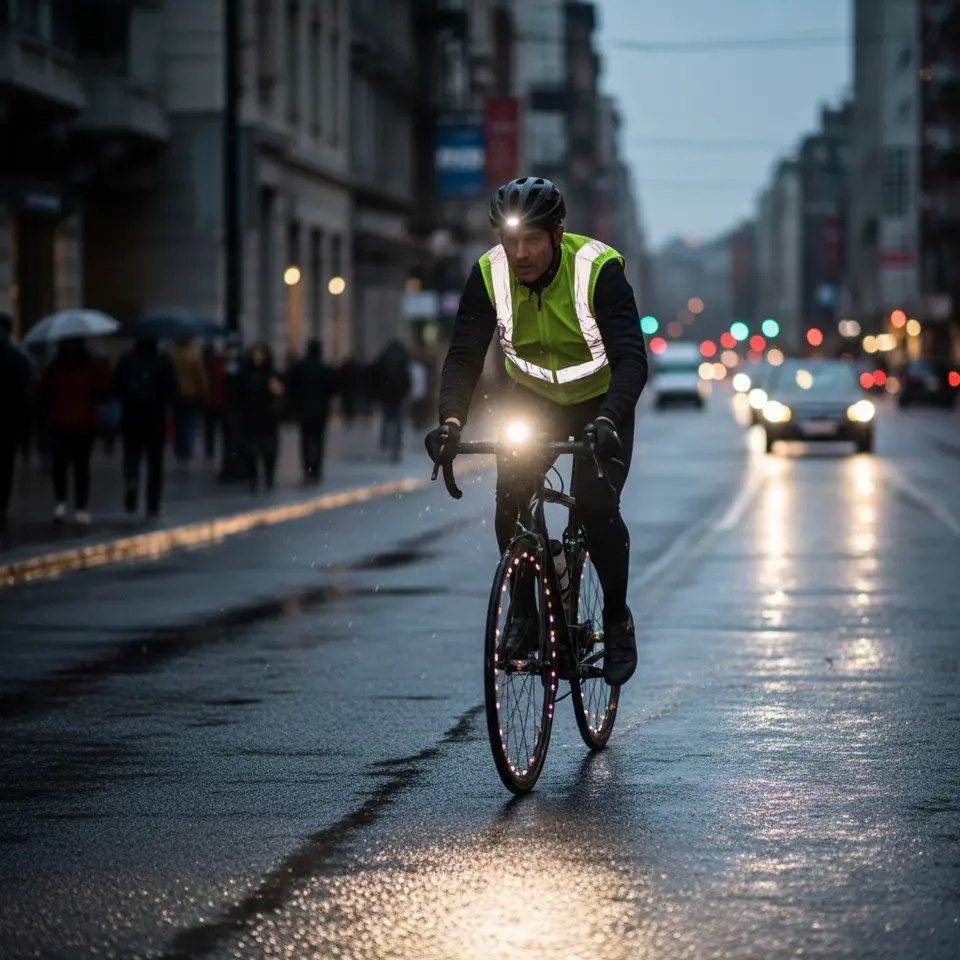
Visibility is paramount for safety, especially during low-light conditions. A front light with at least 500 lumens pierces through dawn, dusk, or inclement weather, illuminating obstacles and road markings. Beam pattern matters too; broad, evenly dispersed flood beams help spot hazards on the shoulder, while focused spot beams reach farther ahead on faster rides. USB-rechargeable units minimize waste and eliminate the need for disposable batteries. Many contemporary lights offer multiple brightness levels and flashing modes, allowing riders to conserve power or enhance conspicuity. Helmet-mounted lights add another dimension, enabling you to direct illumination with your gaze—a useful feature when cornering or inspecting lane markings at night.
Reflective Enhancements and Apparel
Complementing active lighting, passive reflectors and high-visibility garments significantly boost your profile to motorists. Spoke-mounted reflective beads catch car headlights from all angles, while reflective tape applied to the frame, pedals, and helmet offers 360-degree visibility. Neon-colored jerseys, slipovers, or vests in fluorescent yellow or orange maintain prominence during daylight transitions. Advanced materials such as retroreflective sheeting return most of the light back to its source, making you more noticeable from longer distances. Integrating these accessories into your setup helps meet guidelines recommended by road safety authorities and research institutions like NHTSA, ensuring drivers have ample time to recognize and react to cyclists on shared routes.
Securing Your Ride: Locks, GPS Trackers, and Security Best Practices
Selecting the Optimal Lock
A robust locking system deters opportunistic thieves and safeguards your investment. U-locks constructed from hardened steel shackle material resist cutting and leverage attacks, and models certified to Sold Secure Silver or Gold levels offer proven security performance. Folding locks combine hardened steel plates that interlink to create a flexible barrier, while integrated cables secure wheels and accessories to the frame. For commuters in high-risk areas, using two distinct lock mechanisms—such as a sturdy U-lock for the frame and a cable lock for the wheels—adds complexity for would-be thieves. Pair locks with solid anchor points like bike racks or lampposts in well-lit, busy zones to maximize deterrence.
Tracking Devices and Registration
For an extra layer of defense, GPS trackers discreetly mounted under the saddle or integrated within handlebars provide real-time location data in the event of theft. Many devices sync with smartphone apps, offer geofencing alerts, and maintain encrypted data channels for security. Some municipalities and universities operate bicycle registration programs, creating databases that reunite recovered bikes with their rightful owners. Engaging in these programs, displaying registration stickers, and photographing your bike’s unique serial number all contribute to a proactive security plan. By combining physical locks with electronic tracking and registration, you maximize your chances of deterring theft and recovering your bicycle if it goes missing.
On-the-Go Repair: Repair Kits, Multitools, and Tire Solutions
Core Repair Tools
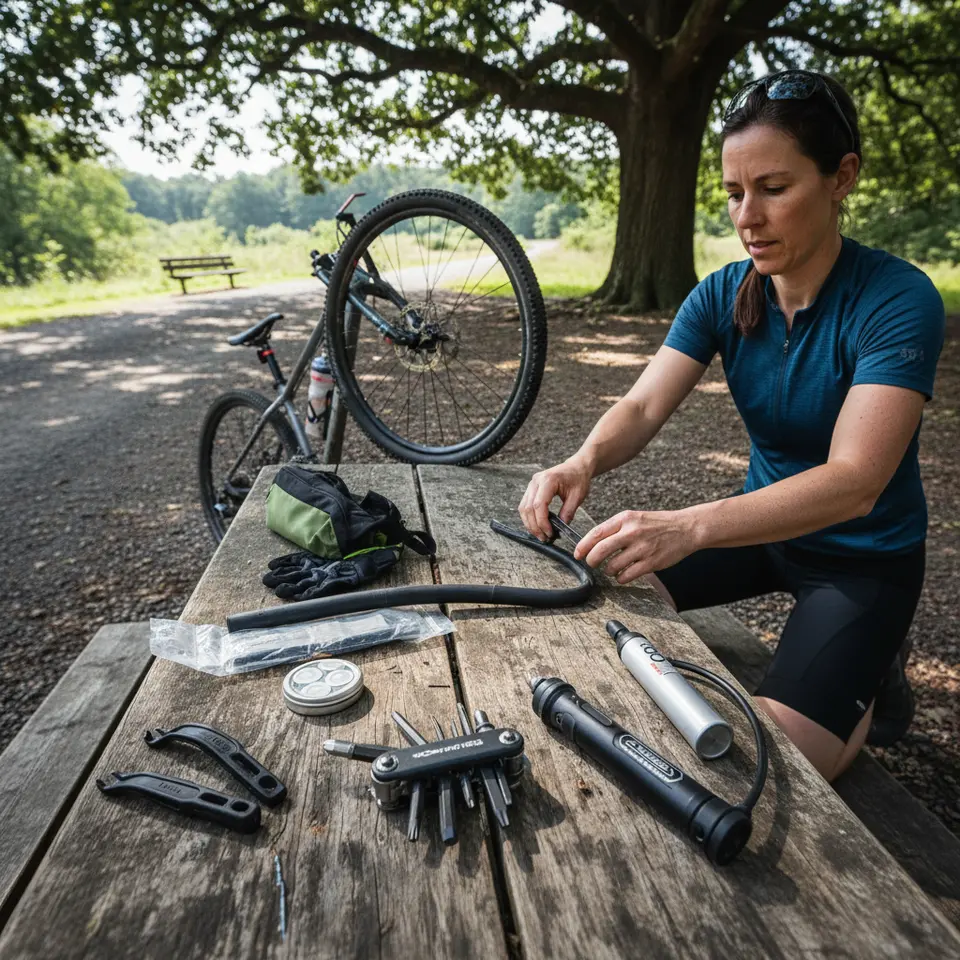
Even the most meticulously maintained bicycle can experience mechanical hiccups, making a compact repair kit a critical essential bike accessory. A high-quality multitool typically contains hex wrenches, screwdrivers, Torx drivers, and chain breakers, allowing you to tighten loose bolts, adjust brake calipers, and fix derailleur alignment on the go. Smaller detachable tools fit into saddle bags or jersey pockets without adding bulk. Look for corrosion-resistant materials and ergonomic handles for reliable performance under less-than-ideal conditions. Investing in a toolset with clear markings saves time when executing quick roadside repairs, ensuring you remain self-sufficient miles from the nearest repair shop.
Tire Maintenance Essentials
Nothing ends a ride faster than a flat tire, but preparing for punctures and pressure adjustments keeps you rolling. Tire levers made of sturdy composite materials help pry the bead off the rim without damage. Spare inner tubes matched to your wheel size and valve type (Presta or Schrader) are fundamental, while patch kits allow you to repair multiple pinch flats or punctures. Mini-pumps with integrated pressure gauges enable you to refill tubes accurately, and CO₂ inflators provide rapid inflation for riders prioritizing convenience. For long-distance adventures, consider a compact sealant setup designed for tubeless tires—sealant can often self-repair small cuts without requiring a full tube replacement. By maintaining consistent tire pressure and carrying the right gear, you minimize downtime and stay safely on the saddle.
Hydration and Storage: Bottles, Cages, Bags, and Racks
Efficient Hydration Systems
Proper hydration sustains energy levels and cognitive function during long rides. A lightweight bottle cage attached to your down tube secures standard cycling bottles, while insulated variants maintain cooler temperatures in warm conditions. For those tackling ultra-endurance routes or hot climates, hydration backpacks incorporate reservoirs and drinking tubes, enabling hands-free access to fluids. Choose BPA-free, easy-to-clean bladders with wide openings for quick refills at water stops. Some hydration packs also feature integrated air channels that keep sweat from saturating your back, maintaining comfort when carrying additional gear.
Smart Storage Options
Organizing essentials—tools, electronics, nutrition, and personal items—requires adaptable storage solutions. Handlebar bags and top-tube pouches offer quick access to snacks, phones, and keys without dismounting. Frame bags fitted within the main triangle provide discreet space for spare tubes and multitools, preserving aerodynamics. For commuters or touring cyclists, rear racks paired with panniers can carry heavier loads like laptops, work attire, or camping gear. Waterproof fabrics and roll-top closures shield contents from rain and road spray. Modular bag systems that clip on and off your rack streamline transitions between bike and office or campsite, enhancing versatility across different ride scenarios.
Frequently Asked Questions
What certifications should I look for in a bike helmet?
Look for CPSC certification in the U.S. or EN 1078 certification in Europe, as these standards indicate rigorous impact testing and reliable protection.
How do I choose the right bike lock?
Select a hardened-steel U-lock certified to at least Sold Secure Silver, and complement it with a secondary lock or cable for wheels and accessories to maximize security.
What’s the best way to carry tools without adding bulk?
Use a compact multitool and slim tire levers stored in a small saddle bag or a top-tube pouch—this keeps weight minimal and gear easily accessible.
Conclusion
Equipping yourself with the essential bike accessories lays the foundation for an enjoyable, efficient, and secure riding experience. From a helmet that meets rigorous safety standards to a comprehensive on-the-go repair kit, each piece of gear plays a specific role in addressing common challenges cyclists face. Visibility enhancements, reliable locking systems, hydration and storage solutions all work in concert to elevate your performance and confidence on the road or trail. As you plan your accessory acquisitions this year (2026), prioritize quality, certification, and versatility. By blending research-backed recommendations with personal preferences and riding style, you create a tailored setup that supports your cycling goals. Armed with the right toolkit, every excursion becomes smoother, safer, and more rewarding—transforming each pedal stroke into a testament to thoughtful preparation and the freedom of the ride.