
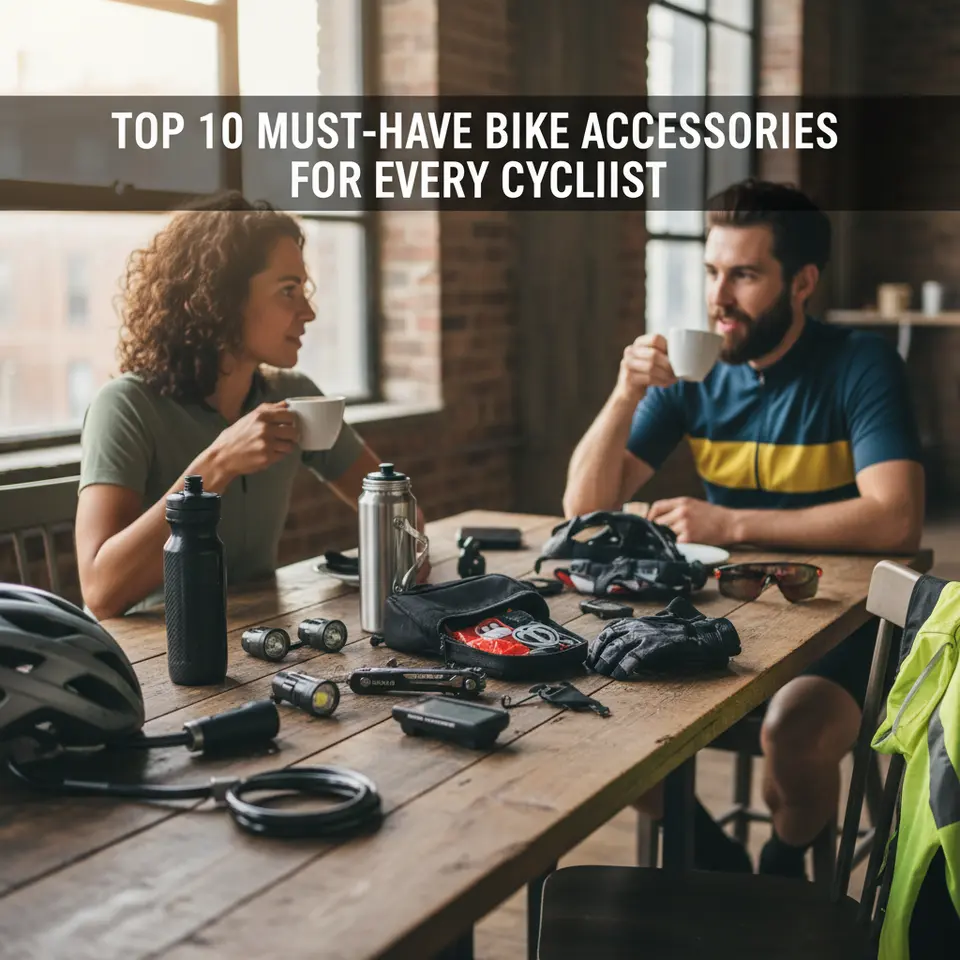
When it comes to safe, comfortable, and efficient riding, selecting the right bike gear can transform each journey. This year (2026), every cyclist needs a curated set of must-have bike accessories that address safety, security, maintenance, comfort, and technology. Whether you are weaving through city streets or exploring rugged trails, well-chosen add-ons keep you prepared for unpredictable situations, improve performance, and enhance enjoyment. From densely populated urban centers to remote country roads, riders face challenges that range from traffic congestion to extreme weather. Modern accessories leverage advances in materials, battery technology, and design to offer functionality that was unimaginable in the past. As more people choose bikes for commuting, fitness, and recreation, investing in quality gear becomes essential. In today’s fast-paced environment, small items like powerful LED lights or a reliable multi-tool can be the difference between a smooth ride and a stressful breakdown. Whether you are a casual weekend cruiser, a competitive road racer, or a seasoned mountain biker, tailoring your equipment to specific needs is crucial. This guide categorizes the top 10 must-have bike accessories into safety fundamentals, security measures, maintenance essentials, comfort enhancements, and tech-driven storage solutions. Each section outlines key features to look for, practical considerations, and links to authoritative sources for further research. Let’s dive in and discover how to assemble an ultimate setup that keeps you safe, prepared, and comfortable on every route you tackle this year (2026).
Safety Fundamentals: Helmets, Lighting, and Enhanced Visibility
Advanced Impact-Resistant Helmets
Protecting your head remains the top priority in cycling safety. Helmets constructed with in-mold technology bond a hard polycarbonate outer shell to energy-absorbing expansion foam, creating a lightweight yet robust barrier against impacts. Many models now include Multi-directional Impact Protection System (MIPS) or similar rotational-impact mitigation designs to reduce strain on the brain during angled collisions. When selecting a helmet, ensure it meets certifications from respected bodies like the U.S. Consumer Product Safety Commission (CPSC) or EN 1078 in the EU (CPSC). Adjustable retention dials, removable padding, and ample ventilation channels allow you to fine-tune fit and airflow, helping to prevent overheating on long climbs. A snug, level position that does not rock when you shake your head is crucial for consistent protection.
High-Intensity Front and Rear Lighting
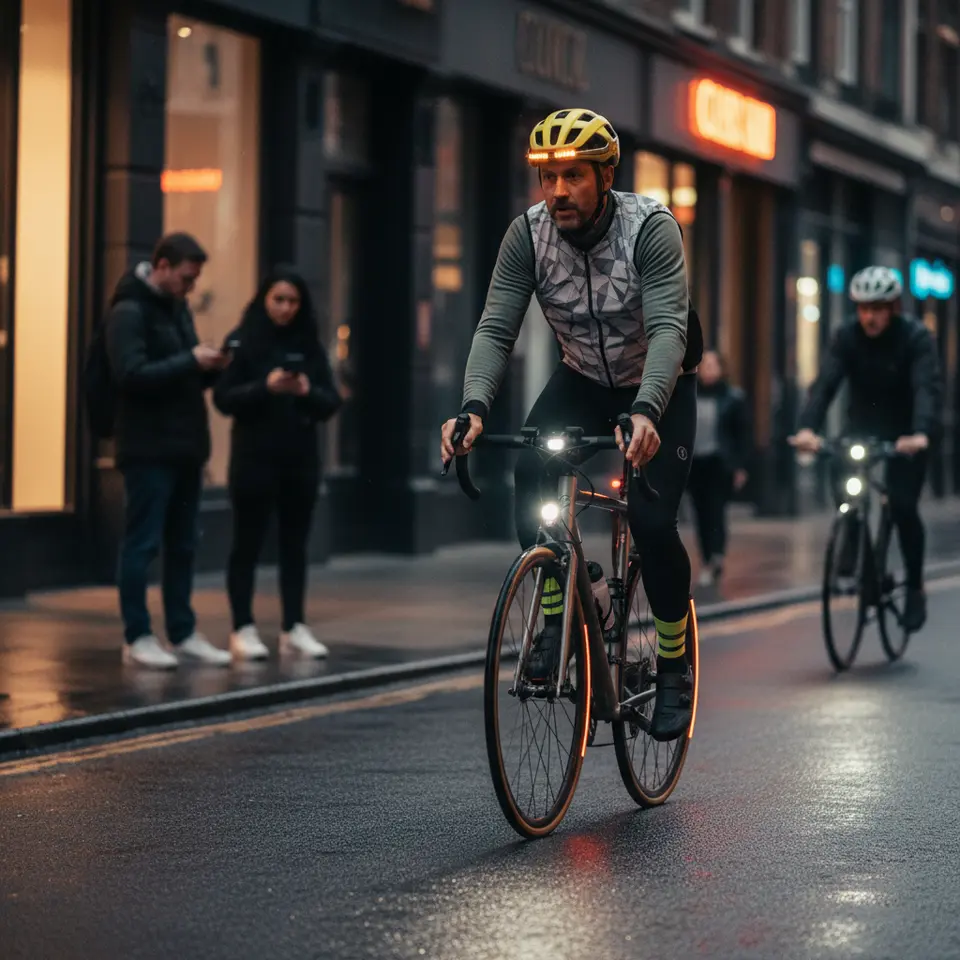
Nighttime and low-light conditions demand reliable bike lights to illuminate your path and broadcast your presence to vehicles and pedestrians. Opt for front lights producing at least 200 lumens for urban riding, escalating above 600 lumens for off-road excursions. Rear lights should offer multiple flash patterns to conserve battery life while maximizing visibility. USB-rechargeable lithium-ion units simplify charging and reduce waste compared to disposable batteries. Features like adjustable beam angles, flood and spot modes, and side visibility windows contribute to comprehensive illumination. Easy-release mounts help you detach lights in seconds, discouraging theft and streamlining your pre-ride setup.
Reflective Apparel and Supplemental Visibility Tools
Even with potent lighting, reflective gear plays a pivotal role in signaling your location to drivers. High-visibility vests, ankle reflectors, and helmet decals crafted from 3M Scotchlite increase conspicuity from multiple angles. Accessories like handlebar flags and spoke reflectors add visual cues for peripheral detection. Mirror attachments—whether bar-end or helmet-mounted—offer rearward sight lines without requiring shoulder checks, enhancing situational awareness in tight traffic corridors. Together, these elements form a layered safety system that protects you in diverse lighting environments.
Helmet-Integrated Technology
Innovations such as built-in LED arrays, brake-light integration, and accelerometer-triggered emergency alerts are now available in premium helmet designs. Some smart helmets connect via Bluetooth to your smartphone, delivering hands-free turn signals and automated crash notifications to emergency contacts. While these features can raise the price point, they represent cutting-edge advancements in rider protection and connectivity for those seeking extra assurance on every journey.
Choosing the Right Helmet Style
Different disciplines call for distinct helmet configurations. Road cyclists often prefer aerodynamic, streamlined shells with minimal vent drag, while mountain bikers need extended rear coverage and visors to shield from branches. Commuter helmets emphasize urban-friendly designs with higher-volume profiles and added reflectivity. Folding helmets cater to transit riders who need portability. Consider your primary riding context when shopping to balance protection, comfort, and aesthetics.
Security Enhancements: Advanced Locking Systems
When bicycles remain unattended in public spaces, the risk of theft can undermine your confidence and disrupt your daily routine. This makes a sturdy lock one of the must-have bike accessories for any rider who plans to leave their bike outside. While no device is entirely impervious to determined thieves, high-quality locking systems provide a robust deterrent against opportunistic attacks. By combining complementary lock types and leveraging recognized security ratings, you can safeguard your investment and reduce the likelihood of a stolen ride.
High-Strength U-Locks
U-locks, also known as D-locks, are revered for their resistance to leverage and twisting attacks. Crafted from hardened steel, these locks feature a rigid shackle that brackets your bike frame around an immovable object. Look for models with a thick crossbar and shackle diameter of at least 14 millimeters, coupled with double-bolted locking mechanisms to minimize pry vulnerabilities. To augment protection, use a secondary cable to secure wheels and accessories. Mounting brackets on the frame help you transport these typically heavier locks without sacrificing convenience.
Flexible Chain and Folding Locks
Chain locks combine malleability with strength. When outfitted with case-hardened steel links and a durable weatherproof sleeve, they allow you to anchor bicycles to larger, irregularly shaped objects such as signposts and railings. Folding locks, built from interlinked steel bars connected by rivets, offer a balance between portability and security. Their compact, accordion-like design folds down to pocket size and can be secured to a frame bracket for quick deployment. Whether you choose chain or folding styles, verify that the locking cylinder utilizes anti-pick and anti-drill features to prevent forced entry.
Understanding Security Ratings
Independent evaluation programs such as Sold Secure and ART provide tiered ratings that reflect lock resistance under standardized testing. Aim for at least a Sold Secure Silver rating for urban environments and consider Gold-level locks if you frequently park in high-risk areas. Higher-rated products undergo rigorous drilling, cutting, and prying tests to ensure reliability. By cross-referencing manufacturer claims with third-party certifications, you make informed decisions that align with your security requirements and budget.
Choosing the Right Lock for Your Lifestyle
Selecting the optimal lock depends on your daily routines, storage options, and threat profile. Urban commuters who frequent bike racks at transit stations may prioritize Gold-rated locks, while casual riders in low-crime neighborhoods might opt for Silver-rated U-locks paired with a cable. Touring cyclists require lightweight yet durable options to avoid hauling excess weight on long journeys. Factor in portability—folding locks often weigh less than equivalently secure chains, making them ideal for riders who must carry gear in backpacks or panniers.
Combining Locks for Maximum Deterrence
Security experts recommend using at least two different lock types, such as a U-lock for the frame and a chain or cable for wheels. This layered approach forces potential thieves to employ multiple tools and techniques, significantly increasing the time and effort needed to breach your defenses. Visible locks also signal to would-be criminals that your bike is not an easy target, reducing the risk of opportunistic theft.
On-the-Go Repair: Pumps, Multi-Tools, and Patch Kits
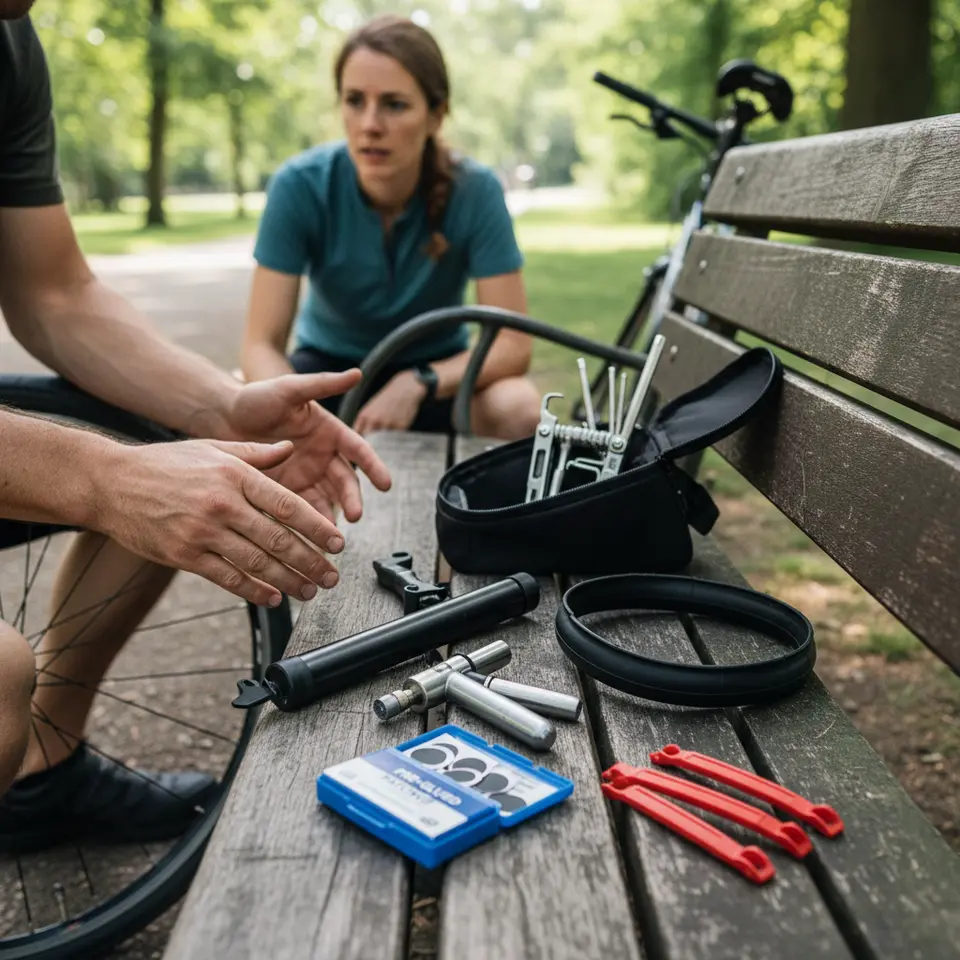
Nothing disrupts the rhythm of a ride like a sudden flat or mechanical failure. Carrying a compact yet comprehensive repair kit ensures you can handle minor emergencies without resorting to roadside assistance or lengthy walks. This category of must-have bike accessories blends portability with functionality, enabling riders to nip common issues in the bud and return to the saddle quickly. Today’s repair gear incorporates durable materials and efficient designs that occupy minimal space, making them indispensable companions on every excursion.
Portable Pumps and CO₂ Inflators
Maintaining proper tire pressure is vital for performance, comfort, and puncture resistance. Mini pumps mount to your frame or stow neatly in a saddle bag, offering reliable inflation for both Presta and Schrader valves. While they require more pumping cycles at higher pressures, modern models feature ergonomic grips and fold-out handles that increase leverage. CO₂ inflators, on the other hand, deliver rapid inflation in seconds. Choose inflators with threaded or press-on cartridges based on personal preference, and always carry spare cylinders. A compact pressure gauge or integrated dial ensures you avoid over-inflation, which can damage your tire or tube.
Essential Patch Kits and Spare Tubes
A lightweight patch kit with vulcanizing glue or pre-glued patches is a must, regardless of how robust your tires claim to be. Coupled with a correctly sized spare tube, you can replace punctured tubes or mend small holes in seconds. Tire levers, typically constructed from reinforced nylon or composite materials, facilitate efficient tire removal without harming rim edges. For larger sidewall slashes, a rigid tire boot—often fashioned from tough plastic or even folded $1 bills—serves as a temporary barrier until you access a full repair station.
Multi-Tools and Quick-Fix Gadgets
Compact multi-tools consolidate Allen keys, screwdrivers, spoke wrenches, and chain breakers into a single device, allowing adjustments to derailleur hanger alignment, brake tension, and wheel trueness. High-quality models use stainless steel bits that resist corrosion, and some include torque-limiting clutches to prevent bolt over-tightening. Other useful gadgets include chain quick links, valve adapters, and pocket-sized digital tire gauges. Integrating these items into a water-resistant pouch keeps them organized and ready for rapid deployment.
Home-Based Inflators for Accurate Pressure
While portable pumps excel on the road, a dedicated floor pump at home provides precise pressure control for tire maintenance. Look for floor pumps with built-in analog or digital gauges that display clear, accurate readings up to 160 psi or higher. A stable base and a long hose make inflation comfortable and safe. Some models offer reversible heads compatible with both valve types, streamlining the process. Maintaining tire pressure within recommended ranges improves rolling efficiency and reduces the incidence of pinch flats.
Comfort and Hydration Essentials: Clothing and Fluid Management
Endurance and enjoyment on the bike often hinge on how well you manage comfort and hydration. Extended rides place stress on your muscles, skin, and thermoregulation system, making specialized apparel and fluid-delivery solutions must-have bike accessories. Investing in the right combination of clothing and hydration tools prevents chafing, keeps energy levels stable, and allows you to push harder without sacrificing well-being. In today’s cycling culture, high-performance fabrics and innovative reservoir systems elevate both amateur and seasoned riders.
Ergonomic Cycling Apparel
Padded shorts and bibs shield sensitive areas with chamois inserts that vary in thickness and composition. Premium chamois often incorporate dual-density foams and anti-microbial top sheets to wick moisture and reduce friction. Bib shorts replace traditional waistbands with shoulder straps, eliminating pressure points around the hips and ensuring a consistent garment position during intense pedaling. Gloves, whether half-finger for optimal dexterity or full-finger for cooler conditions, offer gel or foam padding in the palms to dampen vibration and protect against abrasions. Breathable mesh back panels and silicone grip zones on gloves maintain ventilation and control.
Hydration Solutions: Bottles, Cages, and Reservoirs
Staying properly hydrated impacts endurance, cognitive function, and recovery. Standard water bottles made from BPA-free plastic or insulated stainless steel fit most bottle cages, but wide-mouth designs facilitate quick refills at public water stations. Bottle cages constructed from carbon fiber or aircraft-grade aluminum secure bottles during rough terrain. For hands-free hydration, backpacks or waist belts with built-in reservoirs hold between one to three liters of fluid. Tubing systems allow you to sip without breaking your riding position. To optimize your fluid intake, carry multiple water sources when you expect limited refill opportunities.
Electrolyte Management and Nutrient Timing
Water alone cannot replace sodium, potassium, and magnesium lost through sweat. Incorporate electrolyte tablets or powdered mixes that dissolve quickly in water, helping to maintain fluid balance and prevent muscle cramps. The Harvard T.H. Chan School of Public Health highlights the importance of balanced hydration for optimal performance (Harvard T.H. Chan School of Public Health). Time your intake by consuming small quantities of electrolyte-enhanced fluid at regular intervals—approximately every 15 to 20 minutes during strenuous efforts.
Strategic Layering for Variable Conditions
Temperature fluctuations demand adaptable apparel. Lightweight, packable vests and arm warmers can be stowed in rear pockets and deployed when winds pick up or temperatures drop. Quick-release materials that compress into minuscule parcels ensure you carry minimal bulk. UV-protective jerseys and ventilated fabrics reduce sun exposure and manage moisture. By pairing these garments with hydration solutions, you maintain comfort and resilience across diverse environments.
Technology and Storage: Mounts, Trackers, and Cargo Solutions
In an era of digital integration and on-the-go convenience, the right technology and storage accessories can redefine your cycling experience. Must-have bike accessories in this category bridge the gap between performance tracking, navigation, and practical carrying capacity. Proper organization keeps essentials within arm’s reach, while advanced gadgets empower you with real-time data and connectivity. Below, we explore device mounting, GPS trackers, cargo systems, and courteous extras that complete your riding toolkit.
Device Mounting and Navigation
Secure phone mounts equipped with silicone grips or rubberized straps hold smartphones firmly in place, even on rough trails. A 360-degree rotation feature allows seamless switching between portrait mode for calls and landscape mode for mapping apps. Waterproof-compatible mounts protect devices from rain and mud while preserving touchscreen responsiveness. For mapped navigation without distractions, consider dedicated cyclocomputers with easy-to-read screens and long-lasting batteries. Many units sync with popular apps and provide turn-by-turn directions, performance analytics, and syncing capabilities with heart rate monitors.
Stand-Alone GPS Trackers and Smart Cycling Computers
Advanced GPS bike computers combine barometric altimeters, strain gauges, and Bluetooth connectivity to offer in-depth ride analysis. You can record elevation profiles, track segment efforts, and broadcast live location to friends or emergency contacts. Battery life for these devices often exceeds 15 hours, making them suitable for endurance rides. Some models integrate segment alerts, virtual partner features, and route planning directly on the device, reducing reliance on smartphones and saving power.
Smart Storage Solutions and Cargo Management
Stow gear in saddle bags, frame bags, and handlebar pouches to keep critical items close by. Saddle bags with lockable zippers secure tubes, levers, and keys, while frame bags maximize center-of-gravity positioning for weight distribution. Handlebar roll bags or tank packs allow instant access to snacks, maps, or cameras. Rear racks paired with locked panniers offer waterproof protection and ample volume for commuting or bikepacking. Cargo nets and bungee straps provide additional versatility when hauling irregularly shaped items.
Mirrors, Bells, and Courtesy Accessories
Minor additions like handlebar or helmet mirrors increase your situational awareness by reducing the need to twist or look over your shoulder. A melodious bell alerts pedestrians and fellow cyclists of your approach on shared pathways, fostering a safer group environment. Reflective stickers for forks, helmet shells, and wheel spokes enhance lateral visibility, complementing the primary lighting system. These courtesy accessories are often overlooked but contribute significantly to a harmonious ride shared with others.
Maintenance of Tech and Storage Components
To ensure reliability, clean mounting surfaces regularly and inspect clamp screws for tightness. Replace worn straps and rubber inserts on phone holders to prevent slippage. Lubricate rack pivots and check bag attachment points for damage. Update firmware on GPS units and cycling computers via official desktop or mobile apps to access the latest features and bug fixes. A well-maintained system enhances performance and longevity of your tech and storage solutions.
Frequently Asked Questions
What are the essential safety accessories every cyclist should have?
At a minimum, invest in a certified helmet with MIPS, front and rear lights with adequate lumens, and reflective apparel. These fundamentals protect you and increase visibility in low-light conditions.
How can I balance security and portability when choosing locks?
Combine a high-rated U-lock for the frame with a flexible chain or folding lock for components. Folding locks typically weigh less, making them easier to carry without sacrificing security.
Which repair tools are most critical for long rides?
A frame-mounted mini pump, CO₂ inflator with cartridges, patch kit, spare tube, tire levers, and a multi-tool cover the most common roadside issues. Compactness and ease of use are key for quick fixes.
How often should I update my cycling computer firmware?
Check for firmware updates monthly or before major rides to ensure access to the latest features, accurate GPS performance, and security patches.
Conclusion
Investing in the right selection of must-have bike accessories transforms every ride into a safer, more comfortable, and better-organized adventure. By focusing on safety fundamentals—quality helmets, effective lighting, and reflective enhancements—you protect the most valuable asset: yourself. Robust locking systems deter theft, while portable repair and inflation kits keep you on the move when mechanical issues arise. Comfort-focused apparel and hydration solutions ensure endurance without sacrificing well-being, and technology-driven mounts, GPS trackers, and cargo systems bring convenience and data-driven insights to your fingertips. Small courtesy items like mirrors and bells further enrich the communal cycling experience.
In today’s cycling landscape, prioritizing gear according to your riding style is essential. Whether you commute through crowded streets, tackle challenging mountain terrain, or enjoy leisurely weekend outings, these carefully curated accessories serve as building blocks for your ideal setup this year (2026). Regular maintenance of your accessories—cleaning, inspection, and timely upgrades—maximizes their lifespan and performance. Embrace these essential additions now, and experience how the right tools can empower every mile. Equip your bicycle with these top tiers of functionality, and ride with the confidence of a well-prepared cyclist.