
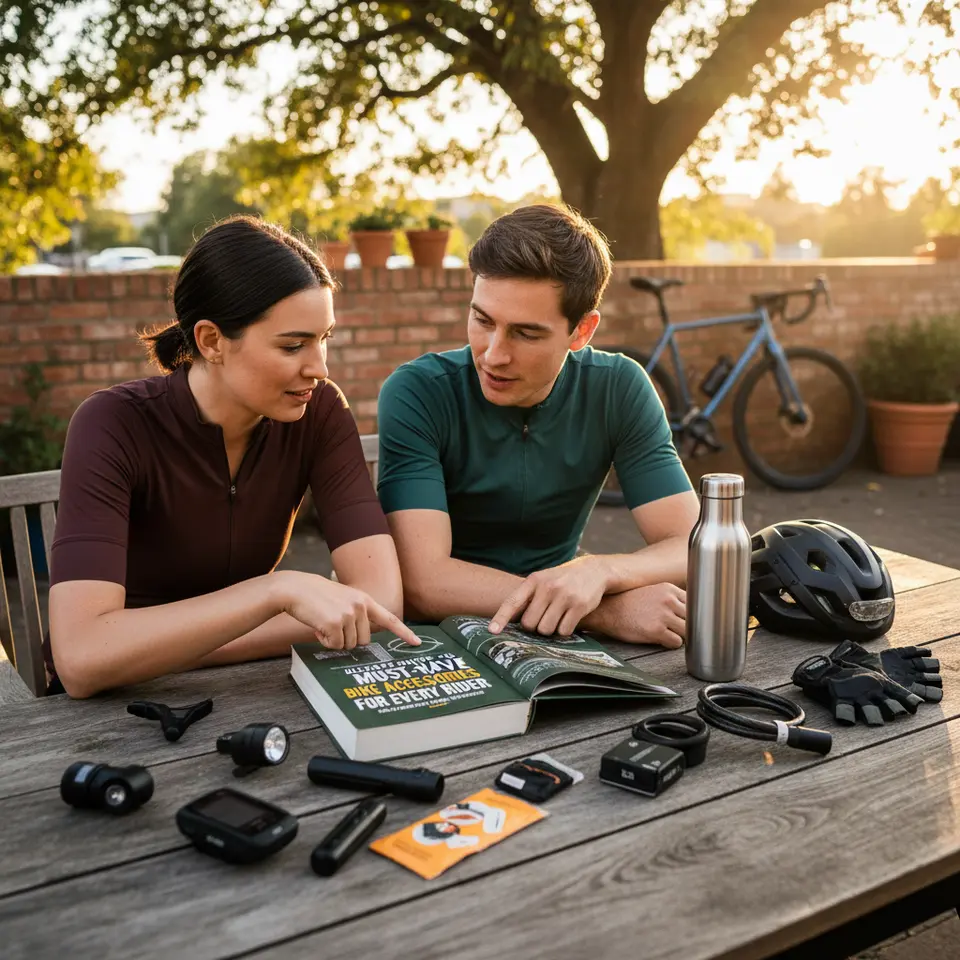
Whether you’re navigating urban streets at dawn or embarking on a weekend adventure through winding trails, the right bike accessories can make all the difference. In today’s fast-paced world, cyclists demand gear that not only enhances safety and comfort but also boosts performance and convenience. The market offers an abundance of innovations designed to cater to every type of rider, from the daily commuter to the long-distance tourer.
In this comprehensive guide, we’ll take you through each essential category of bike accessories, present expert recommendations on selection and upkeep, and highlight trusted resources to deepen your knowledge. Along the way, you’ll learn how to strike the ideal balance between price and quality, so you can invest wisely and enjoy a seamless cycling experience today and for seasons to come. With insights drawn from leading organizations such as the Centers for Disease Control and Prevention and the National Highway Traffic Safety Administration, this article delivers reliable guidance in today’s digital landscape. Read on to discover how the best bike accessories can elevate every pedal stroke.
Safety Essentials for Every Rider

Ensuring your protection on two wheels is the first step toward an enjoyable ride. From helmets to lighting systems, safety-focused bike accessories reduce risk, enhance visibility, and instill confidence every time you head out.
Advanced Helmets with MIPS and Ventilation
Investing in a high-quality helmet is non-negotiable. Modern designs often feature Multi-directional Impact Protection System (MIPS) technology, which helps redirect rotational forces in a crash. Look for models certified by CPSC or CE standards, with adjustable fit systems and efficient ventilation channels. Comfortable padding and moisture-wicking liners ensure your head stays cool, even on humid summer commutes.
Day-Night Lighting Solutions
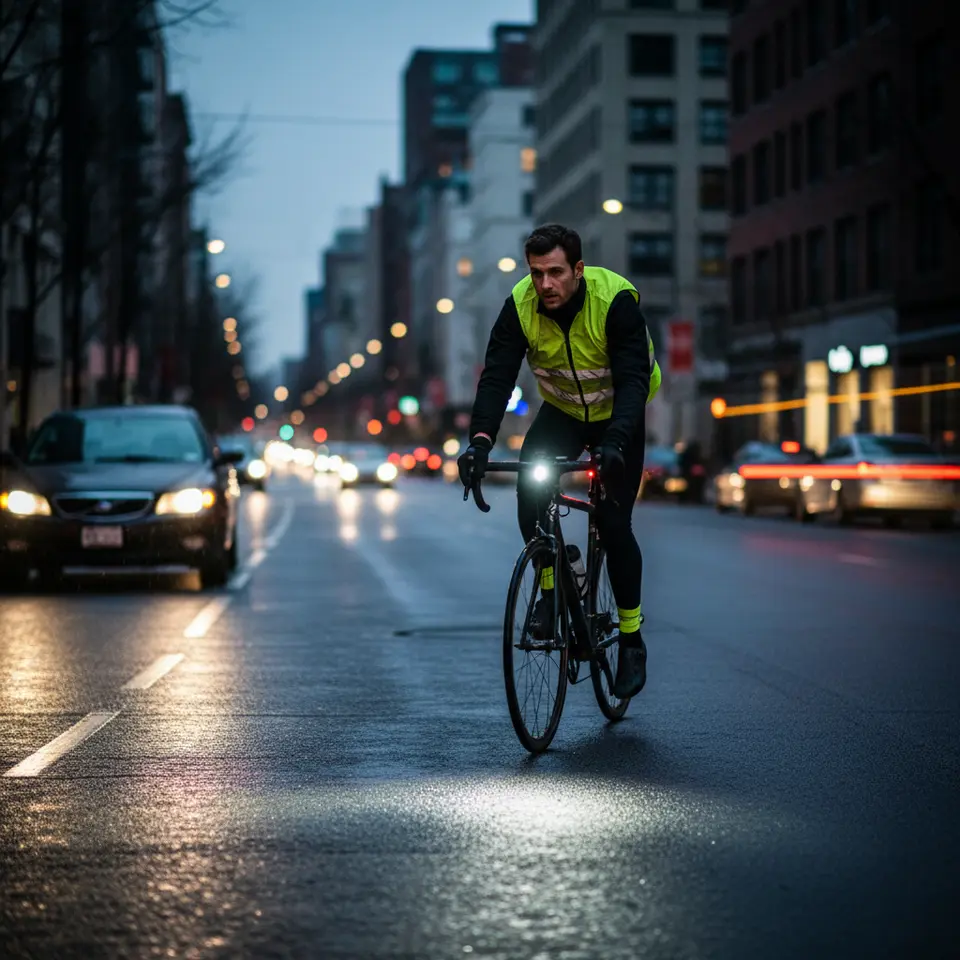
Lights are among the most critical bike accessories for any conditions. During low-light hours or unpredictable weather, a powerful front light with at least 500 lumens can illuminate the path ahead, while a red rear light enhances your visibility to motorists. Rechargeable LED units with multiple flash modes not only prolong battery life but also allow you to tailor brightness levels according to urban or rural settings.
Reflective Clothing and Gear
Complement your lighting setup with reflective vests, ankle bands, or wheel reflectors. Neon yellow or bright orange gear increases daytime visibility, while strategically placed retroreflective strips bounce back vehicle headlights at night. By combining lights and reflective bike accessories, you create a 360-degree safety envelope that minimizes blind spots.
Audible Alerts: Bells and Horns
Alerting pedestrians and other cyclists is an often-overlooked safety measure. A crisp bell or compact horn can prevent collisions on shared paths. When selecting an audible device, consider mounting options that integrate seamlessly with your handlebars and offer a clear tone without being overly loud in quiet neighborhoods.
Comfort Upgrades for Longer Rides
When it comes to enjoying extended stretches on two wheels, ergonomic bike accessories can make the difference between a grueling slog and a seamless journey. Addressing pressure points, vibration, and body alignment helps you ride farther and feel better afterwards.
Ergonomic Saddles and Seatposts
Upgrading to a saddle designed with anatomical cutouts or gel inserts alleviates discomfort in sensitive areas. Some models integrate flexible shells that adapt to rider movement, reducing chafing and hot spots. For off-road enthusiasts, a suspension seatpost can be paired with a padded saddle to absorb shocks from rough terrain.
Padded Handlebars and Grips
Handlebar tape and grips serve as your main contact points with the bike, so don’t skimp on quality. Road cyclists benefit from cushioned bar tape that wraps completely around drop bars, offering uniform comfort. Mountain bikers should look for lock-on grips with dual-density rubber to dampen trail vibrations and improve wrist alignment.
Cycle-Specific Apparel
Proper clothing acts as a second skin on long rides. Padded cycling shorts, featuring a breathable chamois, minimize friction and saddle sores. Moisture-wicking jerseys with mesh panels help regulate temperature, while seamless construction prevents rub points. As the season changes, layering with arm warmers or leg warmers allows quick adjustments without stopping.
Suspension and Shock Absorption
For gravel and trail riding, consider upgrading your fork or seatpost with suspension components. Air or coil suspension forks can smooth out roots and rocks, while elastomer or pneumatic seatposts reduce the impact of bumps. These bike accessories not only enhance comfort but also boost control and confidence over technical sections.
Performance Enhancements with Key Accessories

If you’re aiming to improve average speed, power output, or overall efficiency, performance-oriented bike accessories are essential. They provide data-driven insights, aerodynamic advantages, and weight savings that can shave precious seconds off your ride.
Advanced Cycling Computers and GPS Devices
Handlebar-mounted computers track metrics such as speed, cadence, distance, and elevation. High-end units integrate GPS navigation, turn-by-turn directions, and smartphone connectivity for real-time alerts. Leveraging ANT+ or Bluetooth sensors, these devices sync heart rate monitors and power meters to offer a complete training profile.
Precision Power Meters
Power meters measure wattage output directly at the crank, pedal, or hub, giving you accurate feedback on your effort. By analyzing this data, you can structure workouts around zones, optimize pacing during time trials, and track improvements over time. Investing in a reliable power meter from respected brands ensures calibration accuracy and consistent readings.
Aero Bars and Wind-Reducing Accessories
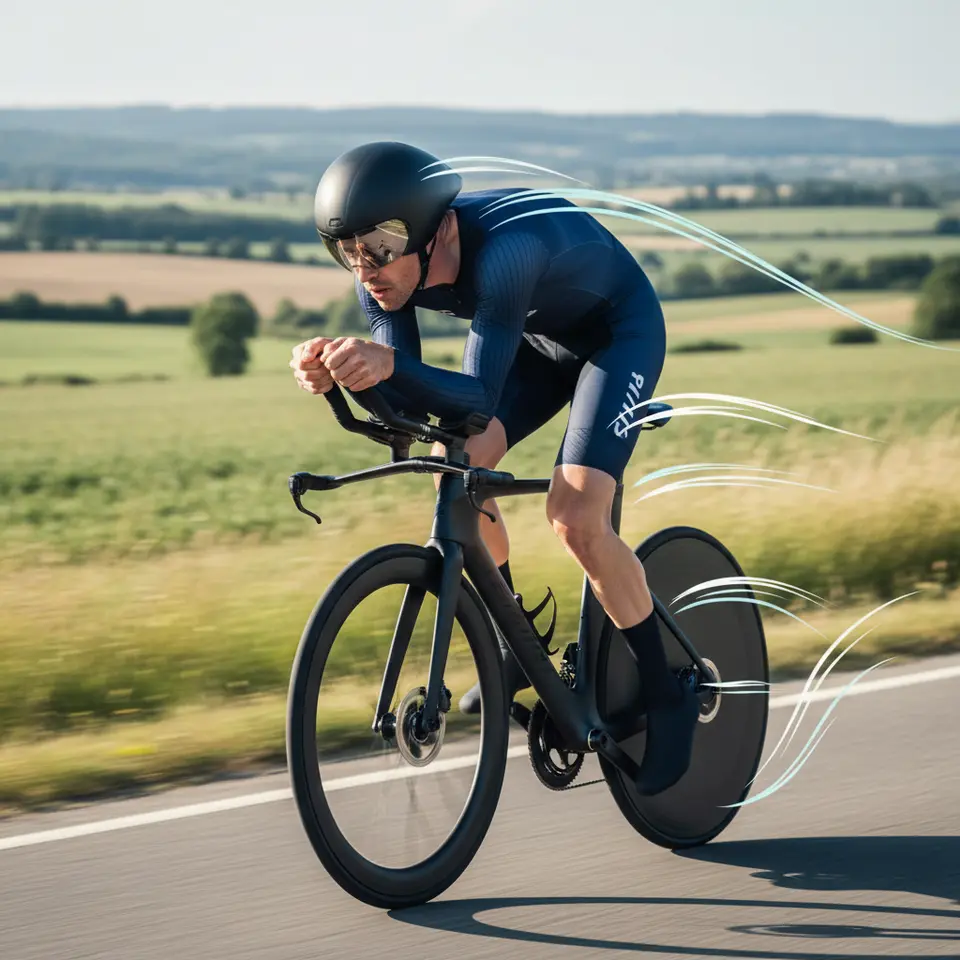
For cyclists tackling time trials or triathlons, clip-on aero bars significantly improve your rider position. By narrowing your frontal area and aligning your torso more horizontally, you reduce drag. Complement these with aerodynamic helmets, deep-section wheels, and tight-fitting clothing to maximize gains.
Lightweight Upgrades
Reducing rotational mass can have a noticeable effect on acceleration and climbing efficiency. Swapping factory wheels for carbon rims, choosing a carbon seatpost, or installing ultra-light handlebars can lower overall bike weight. While focusing solely on grams can be counterproductive, targeted upgrades in key areas enhance the ride quality and responsiveness.
Essential Maintenance Tools
Preventative care not only extends the lifespan of your bike but also ensures you stay on the move without unexpected breakdowns. Equipping yourself with fundamental bike accessories for maintenance allows you to tackle minor repairs and adjustments in the field.
Compact Multi-Tools
A well-rounded multi-tool includes Allen wrenches, Torx bits, screwdrivers, and a chain tool. By carrying a lightweight, foldable option, you can address loose bolts, adjust derailleurs, and handle basic chain repairs mid-ride. Look for models with hardened steel construction and ergonomic grips.
Tire Inflation Devices
Whether you prefer a mini pump or a CO2 inflator, having a reliable way to re-inflate tires is crucial. Frame-mounted mini pumps are versatile and reusable, while CO2 cartridges deliver rapid inflation with minimal effort. Don’t forget to carry extra cartridges and a valve adapter for seamless compatibility with both Presta and Schrader valves.
Puncture Repair Kits
Patch kits equipped with adhesive patches, tire levers, and a metal rasp allow you to seal small punctures effectively. As an alternative, carrying a pre-inflated spare tube lets you swap tubes quickly and continue riding with minimal downtime. Pair either solution with a small waterproof pouch to keep components dry.
Chain Maintenance Supplies
Regular chain lubrication and cleaning preserve drivetrain efficiency. Compact chain cleaners that clamp onto the chain, combined with biodegradable degreasers, remove grit and grime. Choose wet or dry lube depending on riding conditions, and apply sparingly to prevent attracting excess dirt.
Storage Solutions and Smart Gadgets
In today’s digital landscape, bike accessories extend beyond the basics. From storage options that keep essentials within reach to connected devices that sync data seamlessly, these additions streamline your ride both on and off the saddle.
Versatile Carrying Systems
Saddle bags and top-tube pouches create unobtrusive storage for tools, snacks, and electronics. For longer excursions, frame bags expand your packing capacity without compromising balance. Handlebar or feed bags are popular among gravel riders and bikepackers, offering quick access to energy bars, phones, and maps.
Hydration and Nutrition Accessories
Dual bottle cage mounts ensure you have enough water for hot days and remote routes. Insulated cages keep bottles cool, while quick-release systems enable rapid refills. Hydration packs with integrated bladders are another option for riders who prefer hands-free sipping and extra storage pockets for keys or dry layers.
Smart Lights and Connectivity
Next-generation lights automatically adjust brightness based on ambient conditions, flashing pattern changes with speed, and can even be controlled via smartphone apps. Integrated GPS mounts and phone holders utilize vibration-dampening materials to safeguard devices when using mapping or ride-tracking applications.
Weather-Resistant Gear
Fenders that attach without tools protect you from spray on rainy commutes. Packable rain jackets with taped seams, breathable fabrics, and reflective accents keep you dry and visible. Lightweight, waterproof gloves and compact mudguards round out a kit that’s ready for unpredictable conditions.
FAQ
What are the most essential bike accessories for beginners?
Beginners should focus on safety and basic convenience. Key accessories include a certified helmet (preferably with MIPS), front and rear lights, reflective gear, a bell or horn, and a basic repair kit with a mini pump and multi-tool.
Why is a MIPS helmet important for cyclists?
A helmet with Multi-directional Impact Protection System (MIPS) helps reduce rotational forces during a crash, offering better protection for your brain compared to standard helmets.
How bright should bike lights be for safe riding?
For optimal visibility, a front bike light should have at least 500 lumens, while rear lights should be bright enough to be clearly seen by motorists, especially in low-light or nighttime conditions.
What accessories improve comfort on long rides?
Comfort-enhancing accessories include ergonomic saddles with padding or cutouts, cushioned handlebar grips, padded cycling shorts, and suspension seatposts or forks for shock absorption.
Are cycling-specific clothes really necessary?
Yes, cycling apparel like padded shorts and moisture-wicking jerseys improves comfort, reduces friction, and helps regulate body temperature during rides.
What are the best accessories for improving cycling performance?
Performance-focused cyclists benefit from accessories like GPS cycling computers, power meters, aero bars, and lightweight components that enhance speed, efficiency, and training insights.
What does a power meter do on a bike?
A power meter measures the rider’s output in watts, allowing for precise training, better pacing, and improved performance tracking over time.
How often should I service my bike?
Regular maintenance is essential. Clean and lubricate your chain every 100–200 miles, and check components like brakes, tires, and gears frequently—especially after riding in wet or dusty conditions.
What tools should I carry while cycling?
A basic toolkit should include a compact multi-tool, tire levers, a mini pump or CO2 inflator, spare tubes or patch kits, and chain repair tools for emergencies.
What’s better: a mini pump or a CO2 inflator?
Mini pumps are reusable and reliable but require more effort, while CO2 inflators provide fast and convenient inflation but require cartridges and may not be reusable.
How can I carry items on my bike efficiently?
Use saddle bags, frame bags, or handlebar pouches to store tools, snacks, and essentials. For longer rides, bikepacking bags or hydration packs offer additional storage capacity.
Are smart bike accessories worth it?
Yes, smart accessories like GPS devices, app-controlled lights, and phone mounts enhance navigation, safety, and overall riding experience in today’s connected environment.
How do I stay visible while cycling at night?
Use a combination of bright front and rear lights, reflective clothing, and accessories like wheel reflectors to ensure full visibility from all angles.
What accessories help in bad weather conditions?
Fenders, waterproof jackets, gloves, and mudguards protect against rain and road spray, keeping you comfortable and safe during unpredictable weather.
How do I choose the right bike accessories?
Choose accessories based on your riding style, budget, and quality preferences. Prioritize safety, durability, and long-term value to get the best performance from your gear.
Conclusion
Bike accessories have evolved into sophisticated tools that serve every rider’s unique needs—from enhancing safety and comfort to delivering measurable performance gains and effortless maintenance. By carefully selecting helmets with advanced protection, ergonomic saddles, precision instruments like power meters, and smart storage solutions, you can tailor your setup for commuting, long-distance touring, or spirited weekend rides.
Invest in quality, keep your accessories well-maintained, and stay informed through reputable sources like the CDC and NHTSA. Whether you’re fine-tuning a training regimen or preparing for an epic adventure, the right combination of bike accessories ensures a smoother, more reliable experience today and throughout the seasons ahead. Embrace these upgrades, and enjoy every ride to the fullest!